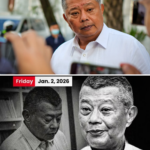

The name Ampatuan remains the most chilling and potent symbol of political violence and impunity in modern Philippine history. For years, the clan ruled the ancestral province of Maguindanao (now divided into two distinct provinces) with absolute, feudal authority, their power seemingly unassailable, backed by a potent combination of local militia control, immense wealth, and deep political patronage. The ultimate reckoning for this dynasty arrived following the horrifying events of 2009, an atrocity that forced the nation and the world to confront the true extent of their unbridled ruthlessness. When the landmark verdict was finally handed down in 2019, sending the primary figures of the clan to long-term confinement, the world believed the chapter was closed. However, the subsequent years have revealed a stark, unsettling reality: dismantling a political machine built over decades is not as simple as handing down a guilty verdict, and the power of the Ampatuan name—though fractured—continues to cast a long, dark shadow over the region.
The core of the clan’s power structure, the patriarchs who directed the violence, are indeed now facing the consequences of the law. Key members, including Datu Andal Ampatuan Jr. and Zaldy Ampatuan, were convicted and sentenced to serve time, representing a monumental victory for justice and the enduring courage of the victims’ families. Their current location is primarily within the high-security confines of the New Bilibid Prison in Muntinlupa City, a physical displacement that symbolically severed their direct, daily control over their former domain. For the families who suffered the loss of loved ones, this imprisonment provided a measure of closure, confirming that even the most powerful figures are not above the law. Yet, the conviction was only one part of the challenge. The sheer scale of the trial, lasting a decade, exhausted the resources and patience of the judicial system, and even post-conviction, the legal appeals process continues, utilizing every avenue to challenge the verdict and delay the final reckoning.

The critical question of “Where are the Ampatuans now?” must be answered in two parts: those who are confined, and those who remain free to wield political influence. While the most infamous leaders are behind bars, the dynasty’s structure was built to withstand the loss of its figureheads. The political vacuum left by the jailed leaders was quickly filled by other members of the sprawling clan and closely allied families. Using their enduring local networks, generational loyalty, and immense financial resources—assets often difficult for the government to fully trace and seize—these secondary figures successfully ran for and won numerous local positions in subsequent elections. This reality underscores the frustrating persistence of dynastic politics, demonstrating that a conviction can remove a name from office, but it cannot instantly erase decades of entrenched political infrastructure. Thus, even with its primary members serving time, the Ampatuan political machine remains a deeply rooted, operational force in their home provinces.
The power of the clan’s name is now measured not just in politics, but in property and assets. While the government has pursued legal processes to forfeit the illicitly gained wealth and properties that backed the dynasty, this remains a slow, complex legal battle. The family’s vast holdings—from mansions to businesses—were the visible embodiment of their absolute control, and the ongoing attempts to dismantle this financial empire are crucial to preventing the clan from funding future political revivals. The fact that the convicted members, even while confined, retain access to significant legal and financial resources allows them to maintain a level of influence that is deeply unsettling to the community they once terrorized. Their presence, though now distant, serves as a constant, looming reminder that the price of political power in some regions is paid not just with money, but with the pervasive fear of retribution.

The community of Maguindanao continues to live with the psychological ghost of the clan. The slow pace of justice—marked by protracted appeals, challenges to legal procedures, and the continued political presence of the Ampatuan name—prevents full societal healing. The ongoing legal struggle transforms the convicted family members from figures of the past into subjects of the present, subjects whose fate is still technically undecided until all appeals are exhausted. Their current status—some confined, others controlling local budgets and positions—reflects an unstable equilibrium where justice has been served, but the comprehensive dismantling of the political apparatus is still incomplete.
Ultimately, the answer to the question “Where are the Ampatuans now?” is a complex and sobering one: they are everywhere and nowhere. The primary architects of the 2009 tragedy are confined, a testament to the nation’s commitment to justice. Yet, the political ghost of the dynasty remains pervasive, entrenched in local power, capable of influencing votes and maintaining loyalties. The true legacy of the clan is not merely the atrocity they orchestrated, but the enduring challenge they pose: a reminder that true accountability requires not only the conviction of individuals but the comprehensive dismantling of the entire apparatus of power and impunity that allowed them to thrive for so long. The nation remains vigilant, aware that the shadow of the past is only fully lifted when the last vestiges of that power are finally extinguished.
News

Trahedya sa Canada: Mag-ina, Walang Awang Kinitilan ng Buhay ng Sariling Kadugo na Kanilang Tinulungan
Sa loob ng mahabang panahon, ang Canada ay naging simbolo ng pag-asa at bagong simula para sa milyon-milyong Pilipino na…

YARE si JR at BOY1NG sa WORLD BANK Nagpasa B0G saPALASY0? NIYARE si B0NGIT BOY/NG RECT0 CABRAL FILES
Sa kasalukuyang takbo ng pulitika sa Pilipinas, tila hindi na matapus-tapos ang mga rebelasyong gumugulantang sa sambayanang Pilipino. Ngunit ang…

MISSING BRIDE IBINAHAGI ANG NAKAKATAKOT NA SINAPIT NITO POSIBLENG MAY FOUL PLAY!STATEMENT NI SHERRA
Ang bawat kasalan ay inaasahang magiging simula ng isang masaya at bagong kabanata sa buhay ng dalawang taong nagmamahalan, subalit…

Luha o Laro? Tunay na Kulay ni Congressman Fernandez, Nabunyag sa Matapang na Rebelasyon ng Staff ni Cabral
Sa mundo ng pulitika at mga pampublikong pagdinig sa Pilipinas, hindi na bago ang makakita ng matitinding emosyon, sigawan, at…

HUWAG KANG SASAKAY DIYAN! MAMAMATAY KA! PUUPTOK ANG BARKO!
Matingkad ang sikat ng araw sa Manila Yacht Club. Ang hangin ay amoy dagat at mamahaling champagne. Ito ang araw…

Bilyunaryang Matanda Nagpanggap na Garbage Collector para Subukin ang Mapapangasawa ng Anak, Pero…
Matingkad ang sikat ng araw sa siyudad ng Makati, ngunit sa loob ng air-conditioned na opisina ng “Velasco Group of…
End of content
No more pages to load