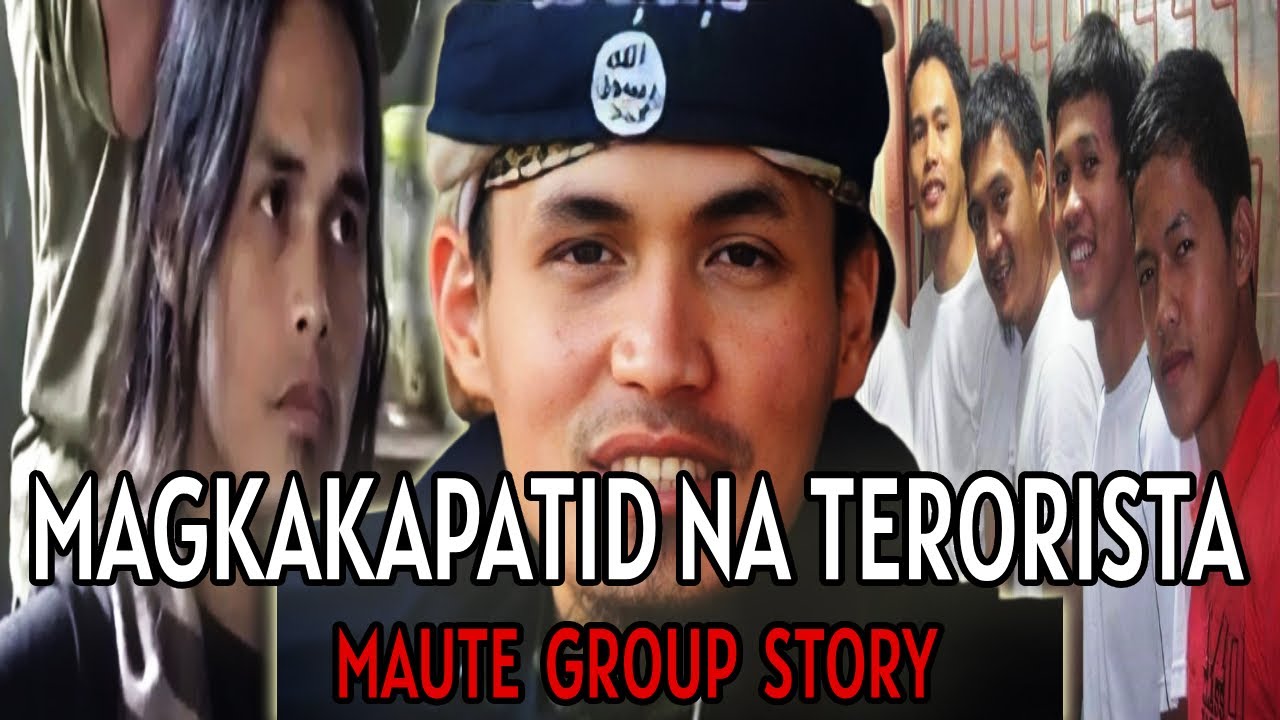
In May 2017, the quiet atmosphere of Marawi City in Lanao del Sur was shattered by the sound of gunfire and explosions. The events that unfolded over the next five months would become one of the most harrowing chapters in recent Philippine history. A group of militants, waving black flags, launched a surprise takeover of the city, targeting strategic locations such as the city hall, the hospital, and the university. What began as a government operation to capture a high-profile target quickly escalated into a full-blown urban war. The peaceful Islamic City became a battleground, its streets filled with the debris of conflict and its residents forced to flee in fear. At the center of this chaos were the Maute brothers, Abdullah and Omar, who had orchestrated a siege that would test the resilience of the entire nation.
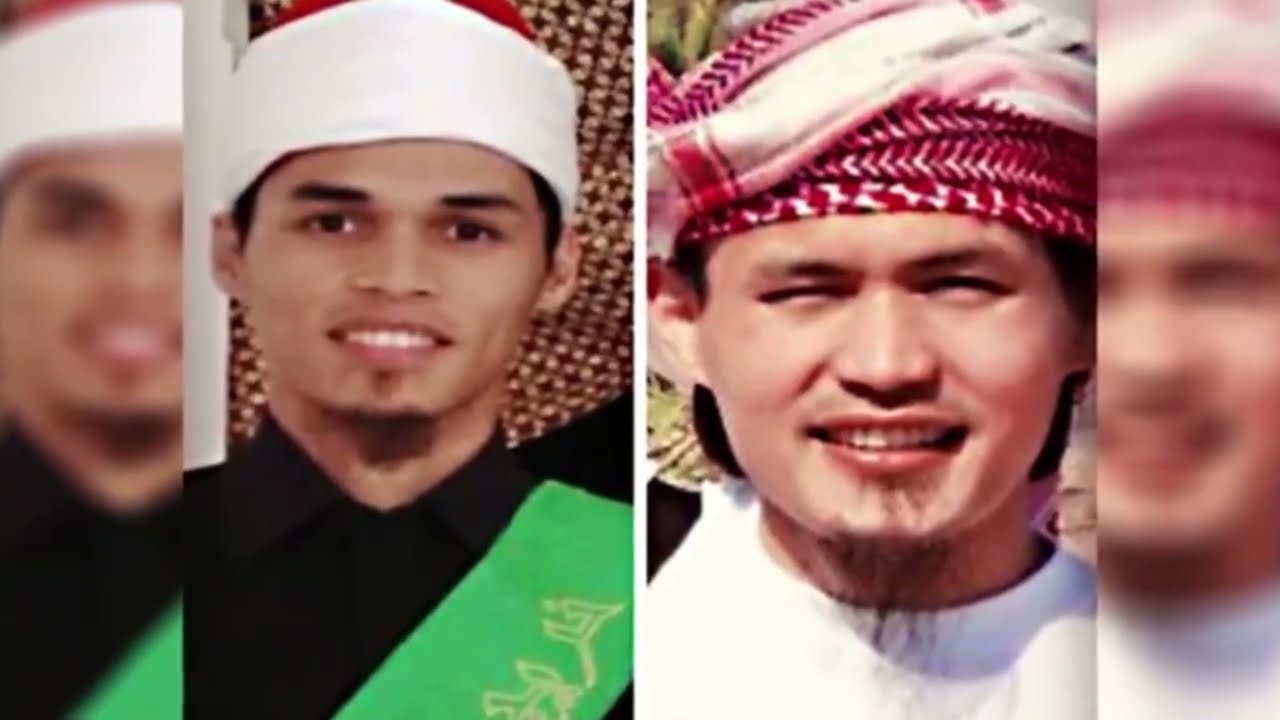
The leaders behind this uprising, Abdullah and Omar Maute, did not fit the stereotypical profile of uneducated bandits. Born into a prominent and respected family in Butig, Lanao del Sur, they grew up in relative comfort. Their father was an engineer and an official in the Moro Islamic Liberation Front (MILF), while their mother was a successful businesswoman with connections to local politics. Friends and neighbors remembered Omar as a friendly, athletic, and intelligent student who excelled in mathematics and was respectful to his elders. He played basketball, captained his varsity baseball team, and was known for helping classmates with their studies. Abdullah, the older brother, was described as close to his mother and deeply influenced by family tradition. There were no early signs of the violence that would later define their lives.
The turning point for the brothers seemed to come during their time abroad. In the early 2000s, they traveled to the Middle East to work and study. Abdullah studied in Jordan, while Omar attended Al-Azhar University in Egypt. It was during these years that they were exposed to more radical interpretations of their faith, distinct from the traditions they had known in Mindanao. They reportedly connected with networks influenced by extremist ideologies, and upon their return to the Philippines, they brought these hardline beliefs with them. They became critical of the MILF’s decision to engage in peace talks with the government, viewing it as a compromise of their principles. This dissatisfaction led them to break away and form their own group, initially known as Daulah Islamiyah, but later gaining notoriety as the Maute Group.
Their approach to building their organization was methodical and sophisticated. Leveraging their family’s influence and resources, they began recruiting in their hometown and neighboring areas. They didn’t just rely on force; they used education and social services as tools for indoctrination. They offered Quranic studies to children and reportedly provided financial support to recruits, appealing to both their spiritual aspirations and economic needs. Abdullah, in particular, was known for his charisma and ability to persuade people. He used personal connections and familial ties to draw members in, presenting their cause as a righteous path to cleansing society of its vices. This blend of idealism and radicalism proved to be a potent mix, attracting young men who were disillusioned with the status quo.
The group’s activities escalated from local skirmishes to high-profile attacks. They were linked to the Davao City market explosion in 2016 and the occupation of the Butig town hall later that year, where they raised the black flag to signal their allegiance to a foreign extremist network. These actions were clear indicators of their growing ambition and capability. They were no longer content with small-scale rebellions; they aimed to establish a province or “wilayat” for the Islamic State in Mindanao. To achieve this, they forged an alliance with Isnilon Hapilon, a leader of the Abu Sayyaf group who had been designated as the emir of ISIS in Southeast Asia. This unification of forces set the stage for their most audacious plan yet: the seizure of Marawi City.
When the siege began on May 23, 2017, the government forces were met with unexpectedly fierce resistance. The militants were well-prepared, armed with high-powered weapons, rocket-propelled grenades, and intimate knowledge of the city’s layout. They utilized tunnels, snipers, and improvised explosive devices to slow down the advancing troops. They took hostages, using them as human shields and forcing them to serve the group’s needs. The complexity of the urban terrain, combined with the presence of trapped civilians, made the military’s operation incredibly difficult. Airstrikes and artillery were deployed to flush out the fighters, reducing large parts of the city to rubble. The once vibrant streets were silenced, save for the sounds of combat.
As the months dragged on, the toll on human life and property became staggering. More than a thousand people lost their lives, including soldiers, militants, and civilians. Hundreds of thousands of residents were displaced, their homes destroyed or looted. The psychological scars left on the survivors were profound. Stories emerged of the group’s brutality, including the execution of civilians who could not prove they shared the militants’ faith. Yet, amidst the horror, there were also glimpses of the complexity of human nature. Some hostages recounted moments where Omar Maute displayed a strange calmness, checking on former teachers he held captive and reminiscing about their school days, a stark contrast to the violence he had unleashed.
The end of the siege came in October 2017, following a relentless military campaign that gradually cornered the remaining militants. In a final attempt to escape, Omar Maute and Isnilon Hapilon were intercepted by government troops. Omar was struck by a sniper’s bullet, and Hapilon was also engaged, bringing their reign of terror to an end. Their defeat marked the liberation of Marawi, but the victory was bittersweet. The city lay in ruins, a testament to the destructive power of radical ideology. The death of the Maute brothers signaled the collapse of the siege, but the arduous task of rebuilding the city and healing the community’s wounds had only just begun.
The story of the Maute Group serves as a grim warning about the dangers of extremism and how it can take root even in educated and well-off individuals. It highlights the vulnerability of communities to radicalization when political grievances and ideological manipulation intersect. The tragedy of Marawi is not just in the physical destruction, but in the loss of potential—of leaders who could have built up their community but instead chose to tear it down. As the city slowly rises from the ashes, the memory of those five months remains a powerful lesson on the importance of peace, vigilance, and the enduring resilience of the human spirit in the face of overwhelming adversity.
News

Trahedya sa Canada: Mag-ina, Walang Awang Kinitilan ng Buhay ng Sariling Kadugo na Kanilang Tinulungan
Sa loob ng mahabang panahon, ang Canada ay naging simbolo ng pag-asa at bagong simula para sa milyon-milyong Pilipino na…

YARE si JR at BOY1NG sa WORLD BANK Nagpasa B0G saPALASY0? NIYARE si B0NGIT BOY/NG RECT0 CABRAL FILES
Sa kasalukuyang takbo ng pulitika sa Pilipinas, tila hindi na matapus-tapos ang mga rebelasyong gumugulantang sa sambayanang Pilipino. Ngunit ang…

MISSING BRIDE IBINAHAGI ANG NAKAKATAKOT NA SINAPIT NITO POSIBLENG MAY FOUL PLAY!STATEMENT NI SHERRA
Ang bawat kasalan ay inaasahang magiging simula ng isang masaya at bagong kabanata sa buhay ng dalawang taong nagmamahalan, subalit…

Luha o Laro? Tunay na Kulay ni Congressman Fernandez, Nabunyag sa Matapang na Rebelasyon ng Staff ni Cabral
Sa mundo ng pulitika at mga pampublikong pagdinig sa Pilipinas, hindi na bago ang makakita ng matitinding emosyon, sigawan, at…

HUWAG KANG SASAKAY DIYAN! MAMAMATAY KA! PUUPTOK ANG BARKO!
Matingkad ang sikat ng araw sa Manila Yacht Club. Ang hangin ay amoy dagat at mamahaling champagne. Ito ang araw…

Bilyunaryang Matanda Nagpanggap na Garbage Collector para Subukin ang Mapapangasawa ng Anak, Pero…
Matingkad ang sikat ng araw sa siyudad ng Makati, ngunit sa loob ng air-conditioned na opisina ng “Velasco Group of…
End of content
No more pages to load