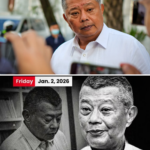

In a development that has sent shockwaves through the political landscape, the day that many observers and critics have long feared has seemingly arrived. The fight against deep-seated corruption in the government has taken a terrifying turn with the sudden resignation of a key figure from the Independent Commission for Infrastructure (ICI), also known as the “anti-corruption super body.” While official statements provide a standard explanation, whispers from the inner circles of power suggest a much darker reason—one involving the safety, security, and very survival of those brave enough to investigate the “untouchables” of the country. This isn’t just a resignation; it is a signal that the forces of corruption are pushing back, and they are playing a dangerous game that threatens to derail the entire quest for accountability.
The official in question is none other than Rogelio “Babes” Singson, a former Department of Public Works and Highways (DPWH) Secretary known for his reformist image. His appointment to the ICI was seen as a beacon of hope, a sign that the administration was serious about cleaning up the massive irregularities in infrastructure projects. However, reports have confirmed that Singson has tendered his resignation. While he reportedly told media outlets that he is leaving because the commission now requires lawyers more than engineers, a separate and far more disturbing narrative has emerged from legislative insiders. A high-ranking congressman revealed an alleged conversation with Singson, quoting the former secretary as saying, “Why would I risk my life and my family just to solve Malacañang’s problem?“
This bone-chilling statement, if accurate, exposes the severe reality facing those who dare to probe the anomalous transactions of the powerful. The vlogger and political commentator Sangkay Janjan highlighted this development, pointing out that this was the exact scenario he had warned about months ago. The ICI was created to investigate high-profile targets, allegedly including influential senators, congressmen, and entrenched bureaucrats who have amassed fortunes through illicit means. These are not small-time players; these are individuals with private armies, immense wealth, and the capacity to silence anyone who threatens their empire. The fear is that by exposing the rot within agencies like the DPWH, commissioners are painting targets on their own backs and the backs of their loved ones.
The timing of the resignation is critical. It comes as the ICI was reportedly gearing up to recommend charges against “big fish” involved in massive fund misuse. The sheer scale of the corruption implies that the enemies created by this investigation are formidable. Critics and supporters alike are now asking: If a man of Singson’s stature feels unsafe, who can possibly stand up to these syndicates? The looming threat suggests that the “crocodiles”—a local term for corrupt officials—are not just sitting idly by. They are actively exerting pressure, using intimidation tactics that go beyond legal battles and enter the realm of personal security risks.
Furthermore, legal challenges are mounting against the commission itself. Petitions have been filed before the Supreme Court questioning the constitutionality of the ICI, arguing that its powers overlap with the Office of the Ombudsman. This two-pronged attack—legal obstacles combined with alleged physical threats—creates a suffocating environment for the investigators. The resignation serves as a grim validation of the skepticism many held regarding the live streaming of hearings. While transparency is desired, broadcasting the proceedings puts the investigators in the direct line of fire, making them vulnerable to retaliation from the powerful individuals they are interrogating.
The situation paints a bleak picture of the current state of justice. The narrative being pushed is that the commission lacks the “teeth” or the coercive power to truly hold people accountable, such as the power to cite individuals in contempt. Without these powers, and with the shadow of danger looming over their families, commissioners are left in an impossible position. The departure of Singson could trigger a domino effect, leading to a loss of morale within the body and potentially shielding the guilty parties from prosecution. It raises the question of whether the government can truly protect its own people when they are tasked with cleaning up the mess left by decades of graft.
As the dust settles on this resignation, the public is left with a sense of unease. The “feared day” is not just about one man leaving a post; it is about the realization that the system of corruption may be too strong to break without severe consequences. The allegations of threats against family members cross a red line that few are willing to traverse. If the government cannot guarantee the safety of its highest investigators, the hope for recovering stolen wealth and punishing the guilty remains dim. The silence that follows this resignation is deafening, a stark reminder that in the high-stakes game of Philippine politics, the price of truth can sometimes be too high to pay.
News

Trahedya sa Canada: Mag-ina, Walang Awang Kinitilan ng Buhay ng Sariling Kadugo na Kanilang Tinulungan
Sa loob ng mahabang panahon, ang Canada ay naging simbolo ng pag-asa at bagong simula para sa milyon-milyong Pilipino na…

YARE si JR at BOY1NG sa WORLD BANK Nagpasa B0G saPALASY0? NIYARE si B0NGIT BOY/NG RECT0 CABRAL FILES
Sa kasalukuyang takbo ng pulitika sa Pilipinas, tila hindi na matapus-tapos ang mga rebelasyong gumugulantang sa sambayanang Pilipino. Ngunit ang…

MISSING BRIDE IBINAHAGI ANG NAKAKATAKOT NA SINAPIT NITO POSIBLENG MAY FOUL PLAY!STATEMENT NI SHERRA
Ang bawat kasalan ay inaasahang magiging simula ng isang masaya at bagong kabanata sa buhay ng dalawang taong nagmamahalan, subalit…

Luha o Laro? Tunay na Kulay ni Congressman Fernandez, Nabunyag sa Matapang na Rebelasyon ng Staff ni Cabral
Sa mundo ng pulitika at mga pampublikong pagdinig sa Pilipinas, hindi na bago ang makakita ng matitinding emosyon, sigawan, at…

HUWAG KANG SASAKAY DIYAN! MAMAMATAY KA! PUUPTOK ANG BARKO!
Matingkad ang sikat ng araw sa Manila Yacht Club. Ang hangin ay amoy dagat at mamahaling champagne. Ito ang araw…

Bilyunaryang Matanda Nagpanggap na Garbage Collector para Subukin ang Mapapangasawa ng Anak, Pero…
Matingkad ang sikat ng araw sa siyudad ng Makati, ngunit sa loob ng air-conditioned na opisina ng “Velasco Group of…
End of content
No more pages to load