THE ‘CLOWN’ PRINCE OF LEGISLATION? Rep. Paolo Duterte’s Shocking ‘Treason’ Bill to Block ICC Cooperation Sparks Ridicule and accusations of Panic
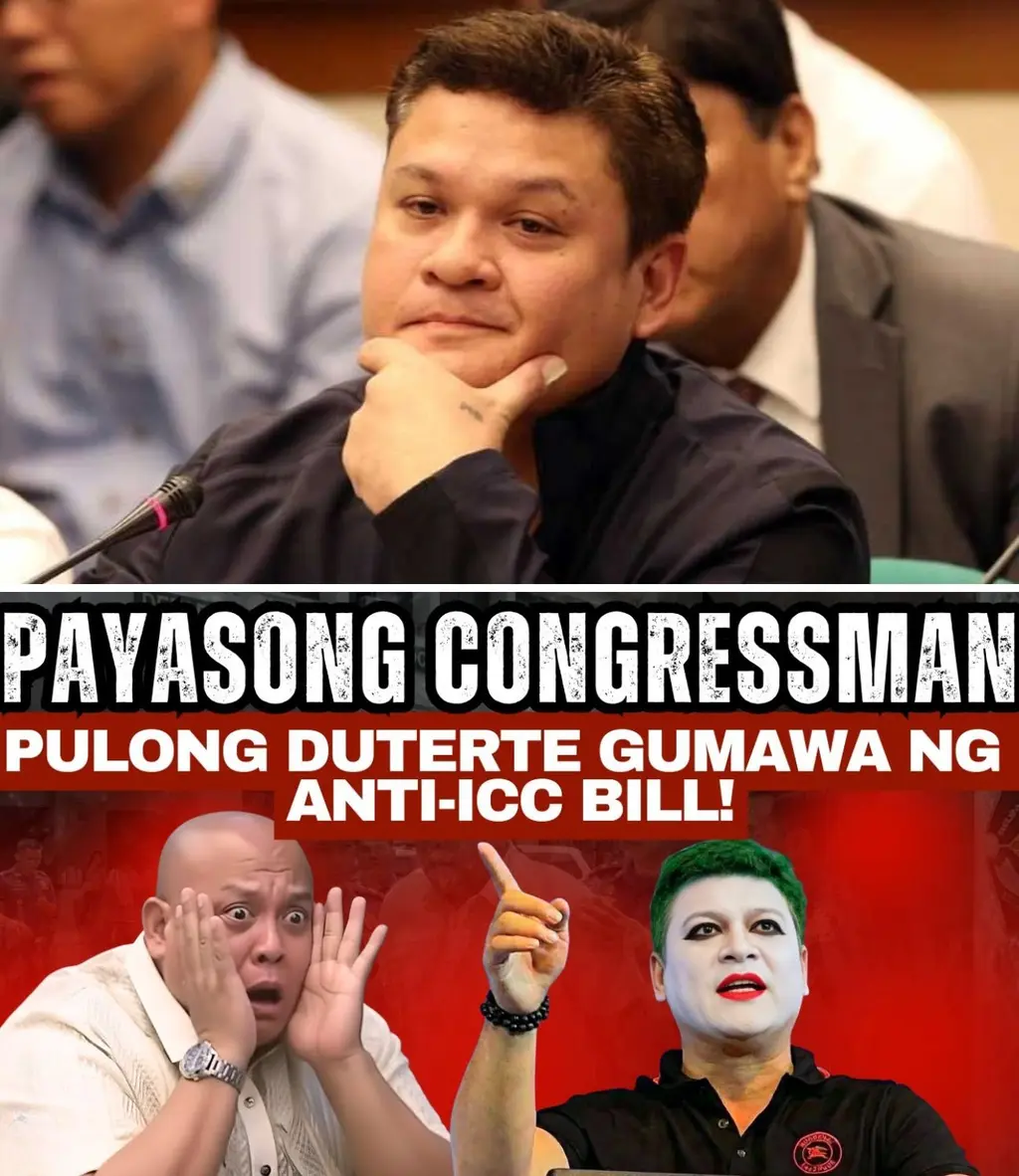
The political atmosphere in the Philippines has turned into a spectacle of high-stakes drama and scathing mockery following a controversial legislative move by Representative Paolo “Pulong” Duterte. In what critics are describing as a frantic attempt to fortify the remaining walls around his family and their allies, the Davao City lawmaker has filed a bill that would classify the surrender of any Filipino national to an international organization—specifically the International Criminal Court (ICC)—as an act of treason. The proposal, dropped amidst a swirl of rumors regarding impending arrest warrants for other high-profile figures, has ignited a firestorm of debate, with detractors labeling the congressman a “clown” for what they see as a desperate, self-serving maneuver.
The context of this legislative bombshell is impossible to ignore. The political landscape is already fractured following the sensational events involving the former President, and anxiety appears to be spreading to his inner circle. Recently, rumors of “ghost warrants” have plagued Senator Ronald “Bato” dela Rosa, the former police chief who served as the architect of the previous administration’s intense anti-illicit substance campaign. While officials have publicly denied the existence of these specific warrants, the paranoia is palpable. It is within this climate of uncertainty and fear that Rep. Duterte’s bill emerged, aiming to rewrite the country’s penal code to effectively criminalize international cooperation in the name of national sovereignty.
The bill itself is a radical interpretation of protectionism. It seeks to amend the Revised Penal Code to include a provision that anyone—be it a law enforcement officer, a judge, or a government official—who facilitates the transfer of a Filipino citizen to the custody of a foreign state or international entity would be guilty of treason. This is a crime punishable by the most severe penalties available under the law. The logic posited by the authors is that such an act constitutes a betrayal of the republic and a surrender of the nation’s supreme authority over its own people. However, legal observers and political commentators were quick to dismantle this reasoning, pointing out the glaring conflict with existing extradition treaties and the country’s prior commitments to international statutes on humanitarian rights.
Reaction from the digital sphere and political commentators has been swift and brutal. Prominent vloggers and social media personalities have not minced words, openly mocking the bill as a display of “stupidity” and a waste of legislative resources. The tag “Payaso” (Clown) has been trending, with critics pointing out the irony of using the concept of “treason”—a crime against the state—to potentially shield individuals accused of grave offenses against their own citizenry. The accusation is that the bill is not about protecting the Philippines, but rather about protecting a specific surname and a small circle of associates who are currently feeling the heat of international scrutiny.
The timing of the filing is particularly telling. It comes as the current administration maintains a complex stance on the issue. While there is no official policy to hunt down former allies, the government has signaled that it would not necessarily block the wheels of international justice if they were to turn. This subtle shift has evidently caused alarm among those who previously felt untouchable. The “treason” bill is seen by many as a preemptive strike, a way to threaten local police and officials with imprisonment should they choose to follow international obligations over personal loyalties. It effectively holds the bureaucracy hostage, forcing them to choose between their international duties and the threat of being branded traitors at home.
Legal experts have pointed out the absurdity of the proposal, noting that treason, by definition, involves levying war against the government or adhering to its enemies. Equating the compliance with international justice mechanisms to “aiding the enemy” is a legal stretch that many argue would never pass constitutional muster. Furthermore, the Philippines has existing laws, such as the Republic Act on Crimes Against International Humanitarian Law, which explicitly recognize the jurisdiction of international tribunals under certain conditions. Rep. Duterte’s bill would create a chaotic legal contradiction, essentially trying to override established jurisprudence with a reactionary measure born of political necessity.
The “clown” label attached to the congressman also stems from the perception that he is out of touch with the gravity of the situation. While the families of those who perished during the controversial crackdown are seeking closure and accountability, the legislative response from the Davao representative appears to be purely defensive. It reinforces the image of a political clan circling the wagons, using their positions of power to construct legal barricades rather than facing the allegations head-on. The public sentiment, reflected in the barrage of angry and mocking comments online, suggests that many Filipinos are seeing through the “nationalist” rhetoric and viewing the bill for what it likely is: a panic button.
Moreover, the bill has drawn attention to the widening rift between the current leadership and the previous dynasty. The “UniTeam” that once dominated the headlines has dissolved into factional infighting, with the ICC issue serving as a major wedge. By filing this bill, Rep. Duterte is not just challenging the international community; he is challenging the current administration’s control over its own foreign policy and justice system. It puts the executive branch in a difficult position: oppose the bill and risk further alienating a powerful political bloc, or support it and face international isolation and the ridicule of the legal community.
As the holidays approach, the “gift” Rep. Duterte has offered the nation is a deepening constitutional crisis and a renewed spotlight on the unresolved issues of the past. The “ghost warrants” may or may not be real, but the fear they have generated is undeniable. This bill is the physical manifestation of that fear. It is an attempt to legislate immunity, to turn the country into a sanctuary for those running from accountability. Whether the bill gains traction or dies in committee remains to be seen, but its mere existence has already succeeded in doing one thing: it has turned the halls of Congress into a stage for a tragicomedy, with the Filipino people watching as the audience.
In the end, the “Treason Bill” serves as a stark reminder of the lengths to which political figures will go to ensure their survival. It highlights the fragility of the rule of law when it collides with powerful interests. While the congressman may have intended to project strength and defiance, the result has been a wave of ridicule and a renewed demand for justice. The “clown” may have entered the ring, but the audience is no longer laughing at the performance; they are demanding to know when the curtain will finally fall on this era of impunity. The world is watching, and no amount of local legislation can fully obscure the search for truth.