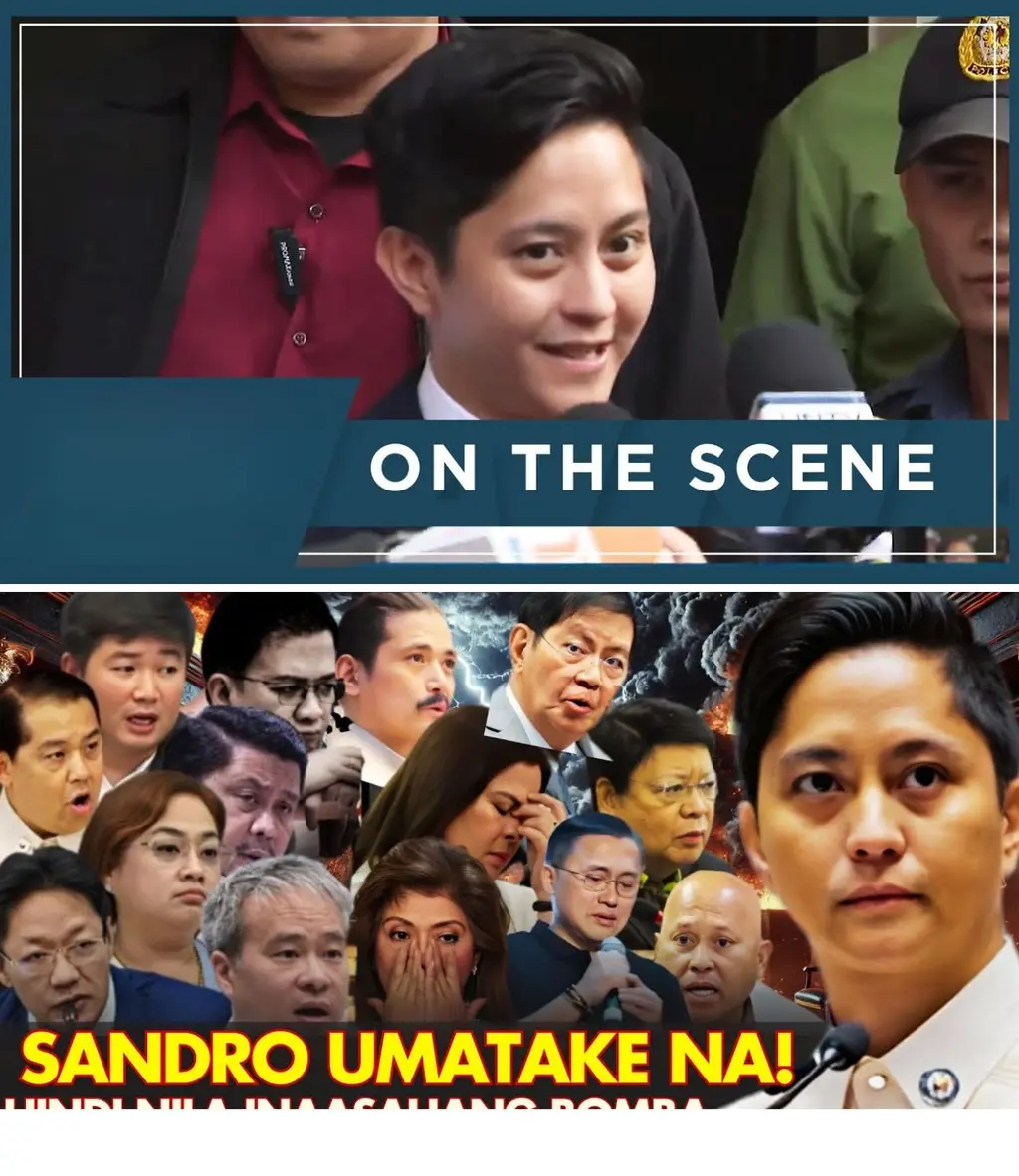
The Political Shockwave: Why Congressman Sandro Marcos Suddenly “Volunteered” to Appear Before the Anti-Corruption Body, Announcing His Confidential Testimony Could Be Released to the Public
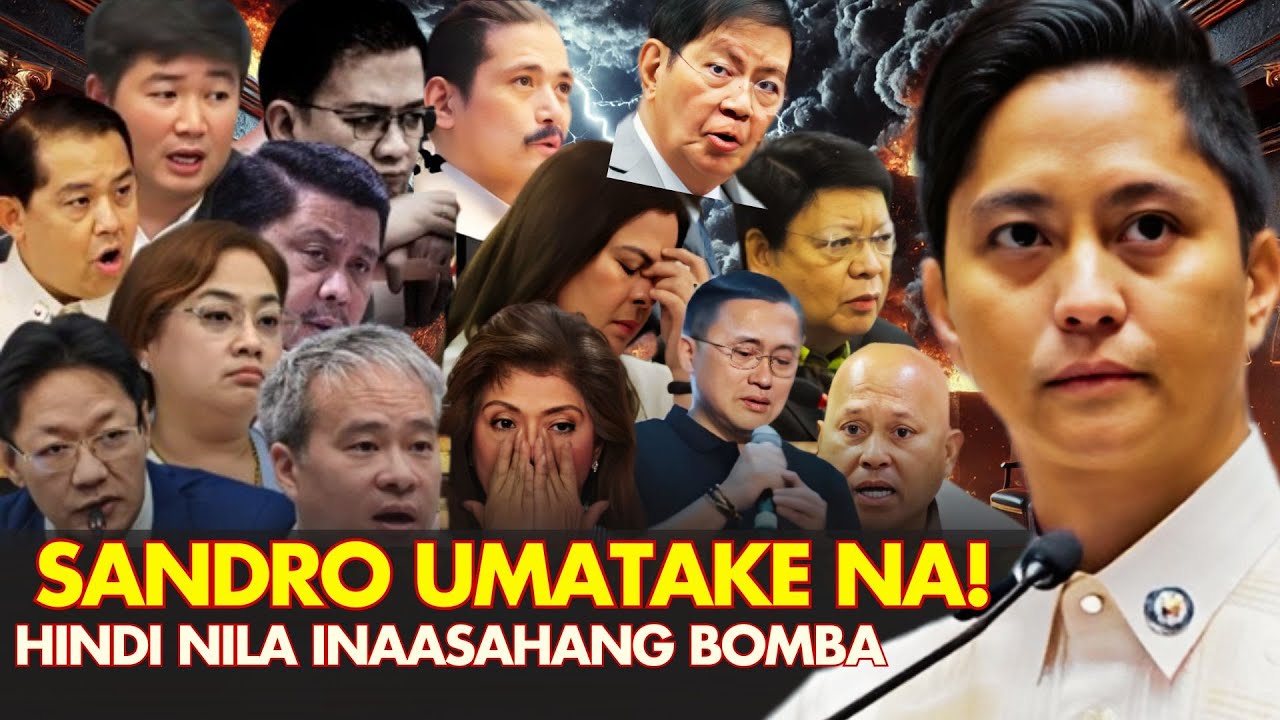
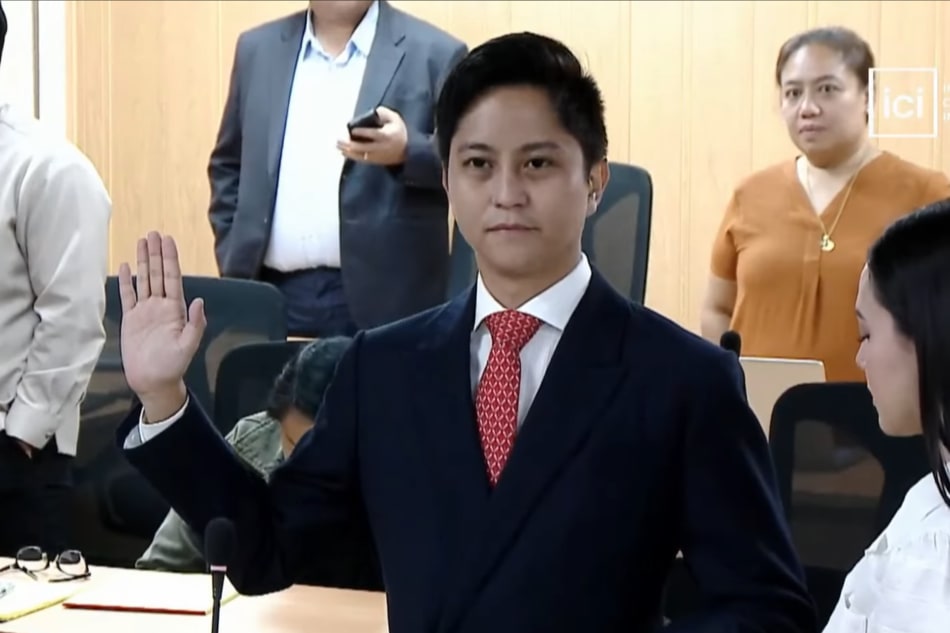
The political arena in Manila has been thrown into chaos by an unexpected and bold political maneuver, led by the President’s eldest son, Congressman Sandro Marcos. Instead of utilizing his powerful position to evade or delay the corruption allegations currently plaguing the government, Congressman Marcos chose an unprecedented path: he voluntarily appeared before the Independent Commission for Infrastructure (ICI) to answer questions regarding alleged corruption linked to massive budgetary allocations in his district. This action is not merely a defense; it is a stunning political counterstrike designed to disarm his critics, shatter ongoing rumors, and assert a level of transparency rarely seen from an administration facing such profound internal and external scrutiny.
The issue stems from detailed investigative reports where Congressman Marcos was controversially labeled the “New Pork Barrel King” due to the staggering amount of capital—allegedly totaling billions of pesos—earmarked for projects within his Ilocos Norte district during the 2023-2025 budget cycles. Against the backdrop of the massive national scandal involving fraudulent flood control projects, these budgetary allegations became potent political ammunition used by rivals to attack the administration. By voluntarily presenting himself to the ICI, a body specifically mandated to investigate these matters, Congressman Marcos shattered traditional political protocol, where powerful figures typically only yield to a formal summons or subpoena.
During his closed-door testimony, Congressman Marcos delivered a vehement and unyielding rebuttal, asserting that the accusations leveled against him were “pure fabrication and pure lies.” He did not hesitate to characterize the claims as a “clear political ploy” orchestrated by desperate rivals attempting to destabilize the government. However, the most compelling and politically risky element of his maneuver was the unprecedented transparency he offered: he declared he had granted the ICI “full authority” to release the entire video and transcript of his confidential testimony to the public if the commission deemed it appropriate and non-detrimental to the investigation. This level of public exposure is practically unheard of in high-stakes political investigations, effectively turning the pressure back onto the investigative body and, more importantly, onto his accusers.
The decision to offer full disclosure is a highly calculated political move. It immediately transforms Congressman Marcos’s image from that of a privileged scion under siege to that of a courageous defender of his innocence, willing to put his reputation on the line. The action forces his political opponents, who have relied heavily on insinuation and publicly funded rumors, to either substantiate their claims with hard evidence or risk facing a massive public backlash for engaging in political destabilization. By preemptively confronting the ICI, Congressman Marcos has effectively short-circuited the opposition’s ability to weaponize his silence. Political analysts view this as a sophisticated strategy aimed not just at clearing his name, but at consolidating his power base by demonstrating self-confidence and a commitment to fight for his administration.
However, despite the dramatic political gains, significant legal questions remain. Even with the strong denials, the ICI still bears the responsibility of thoroughly investigating the origins and necessity of the billions of pesos allocated to his district, particularly when vital projects in other underserved areas often face funding shortages. The full truth of the accusations, while fiercely denied by Marcos, rests on documentary evidence and further investigations that the ICI must pursue regardless of the political spectacle. The public remains sharply divided: one faction sees the move as an act of exceptional bravery and innocence; the other views it as a calculated performance designed to manipulate public perception and exert pressure on the investigative process.
The stakes in this political showdown are immense. The career and political future of one of the nation’s most prominent young legislators are on the line, and the outcome of the ICI’s investigation will be crucial to determining the credibility of the entire Marcos administration’s anti-corruption platform. Congressman Sandro Marcos’s voluntary appearance is not merely an anecdote; it is a significant inflection point in the national conversation on accountability, establishing a precedent that future leaders—regardless of their familial power—may be forced to follow. The ultimate hope is that this highly charged political maneuver will lead not just to the clearing of names, but to a substantive pursuit of justice, regardless of where the truth may lead.