The Billion-Peso Bombshell: Why President Marcos’s Unprecedented Order to Freeze Over 230 Accounts and Seize Luxury Aircraft Exposed Corruption Within His Own Government and Shook the Entire Political Establishment
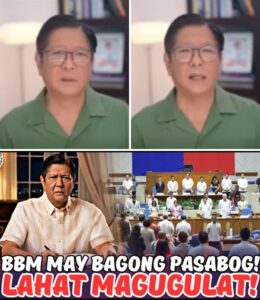
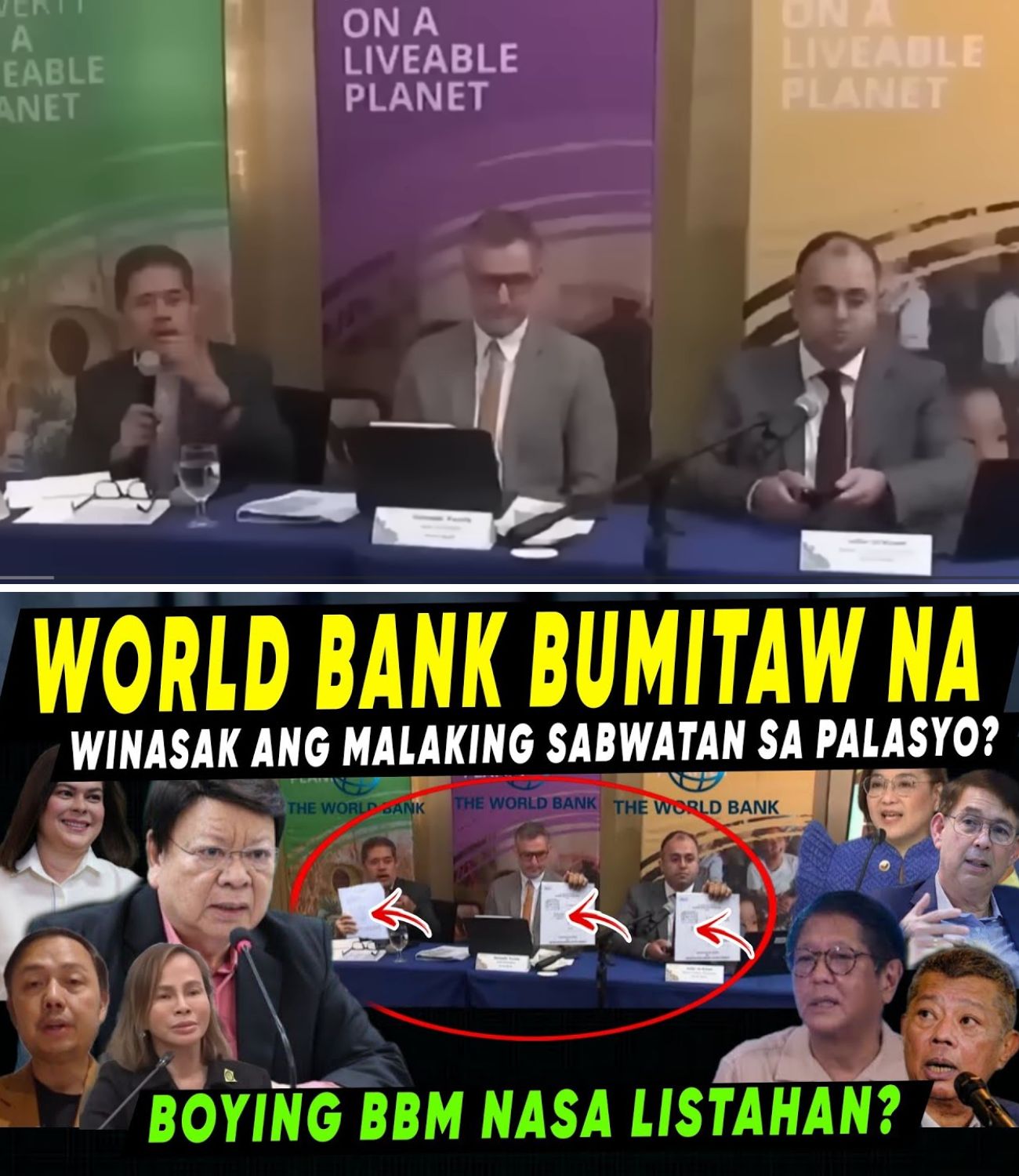
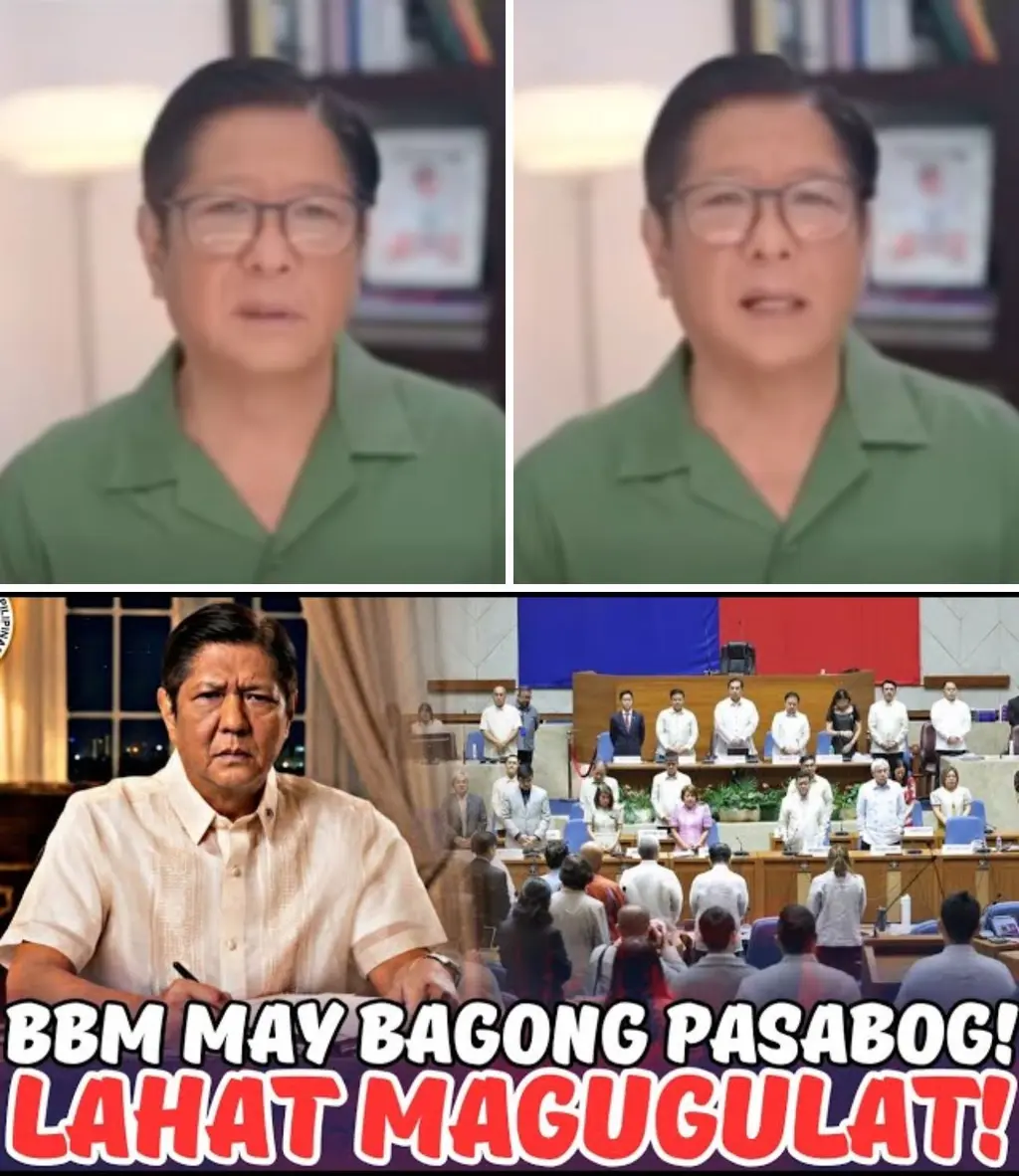
The political landscape of the Philippines was recently subjected to a tectonic shockwave following an unprecedented announcement from President Ferdinand “Bongbong” Marcos Jr. The President publicly confirmed the implementation of a massive asset freeze, initiated by the Court of Appeals (CA) and the Anti-Money Laundering Council (AMLC), targeting individuals and corporations deeply implicated in the devastating Flood Control Corruption Scandal. This action, which saw the immediate freezing of billions of pesos in assets and, sensationally, the seizure of luxury air assets like planes and helicopters, is being hailed as the most decisive anti-graft move in recent memory. It carries a profound message: no official, regardless of rank or political affiliation, is above the law in this administration’s pursuit of accountability.
The scale of the asset seizure is truly staggering, providing a chilling glimpse into the profitability of institutional corruption. The freeze orders encompass a colossal network of wealth, including over 230 bank accounts across various institutions, 15 insurance policies, and, most visually shocking, the aircraft and personal luxury assets connected to firms like Skyard Aviation Corporation. These air assets alone are reportedly valued in the billions of pesos, starkly symbolizing a lifestyle built directly on funds allegedly stolen from crucial public safety projects. Reports indicate that the transactions under scrutiny, primarily involving firms like Silver Wolves Construction Corporation, totaled over ₱16 Billion between 2022 and 2025—a period entirely falling within the current Marcos administration. The sheer size of the seizure underscores the gravity of the financial crime and the determination of the government to recover every peso stolen from the national treasury.
The freeze order directly targets high-ranking individuals, piercing the political armor of the legislative branch. Specifically named in connection with the anomalous transactions are Congressmen Eric Yap and his brother, ACT-CIS Party-list Representative Edvic Yap. Eric Yap, who previously served as the powerful Chairman of the House Committee on Appropriations, has been identified as a “person of interest” and the alleged beneficial owner of Silver Wolves Construction, the firm awarded substandard and allegedly “ghost” flood control projects in La Union. The Anti-Money Laundering Council (AMLC) further uncovered a pattern of money transfers from implicated contractors, like those linked to St. Timothy Construction Corporation (contractor for “ghost projects” in Davao Occidental), to Congressman Edvic Yap. This revelation confirms the long-suspected “Congressman-Contractor” scheme, highlighting a clear conflict of interest where lawmakers are directly or beneficially linked to the companies receiving massive government funds meant for public works.
The most politically explosive dimension of this “bombshell” is the timing of the corruption itself. The sheer volume of transactions under investigation occurred during the tenure of President Marcos (2022-2025). This fact is crucial because it gives credibility to the President’s public narrative: that he is determined to fight corruption wherever it exists, even if it is within his own political house. The political establishment has historically been resistant to pursuing charges against allies or sitting officials, often allowing cases to languish due to political protection. President Marcos has publicly defied this tradition, using the current scandal to demonstrate an unprecedented commitment to accountability that prioritizes the public good over political survival. His narrative is clear: there are no sacred cows, and no official, regardless of past support or present political influence, will be shielded from the legal consequences of stealing public funds.
The crimes themselves are not just financial; they are an act of profound betrayal of public trust, jeopardizing the safety of millions. The stolen funds were earmarked for vital flood control projects in vulnerable areas like La Union and Davao Occidental. These projects, designed to protect lives and property from increasingly destructive weather events, were either substandard, incomplete, or entirely “ghost” projects that existed only on paper. The systematic theft effectively sold the public’s safety for private luxury, funding the acquisition of jets and helicopters while communities were left defenseless against floods. The government’s goal is therefore twofold: to prosecute the officials involved and to recover the frozen assets so that the money can finally be redirected back to the essential public works it was intended for.
The action against the high-ranking Congressmen and their associated corporations, capped by the freezing of billions and the seizure of luxury aircraft, sets a compelling historical precedent. It delivers a stark warning to the political elite that the era of impunity may be concluding. The public, long weary of corruption scandals that end without consequences, is watching closely to ensure that this action is followed through with successful prosecution and asset forfeiture. The massive scale of the frozen assets and the political courage demonstrated by targeting sitting officials confirm that President Marcos has, indeed, “unleashed a bombshell,” fundamentally reshaping the landscape of accountability in the Philippines.