Pokwang Family in the Spotlight: License Revoked and Cyberbullying Claims Surface (NH)
Published on December 19, 2025
Introduction
When a video of a road rage incident involving a well-known personality’s sibling went viral, it triggered not only a legal response from authorities but also an intense online debate about accountability and digital harassment.
The incident involved Carlo Subong, brother of Filipino comedian and television host Pokwang. A video showing him physically assaulting a man who was pushing a cart with his young daughter sparked outrage, legal scrutiny, and heated online exchanges. The country’s Land Transportation Office (LTO) took action regarding his driver’s license, and the public discussion soon shifted toward the ethics of sharing personal information and potential cyberbullying or cyberlibel.
This article explores how a single viral moment led to legal consequences, public apologies, and a broader conversation about digital responsibility in the Philippines.
Table of Contents
-
The Viral Road Rage Incident
Eyewitness Accounts and Public Outcry
Pokwang’s Response and Apology
Immediate Legal Actions by the LTO
The Recommendation to Revoke the License
Cyberbullying and Cyberlibel Claims
Politicians and Public Figures Enter the Debate
Legal Standards: Cyberbullying vs. Public Interest
Broader Social Impacts
What Happens Next
1. The Viral Road Rage Incident
A video circulated online showing a man identified as Carlo Subong, brother of television personality Pokwang, engaged in a physical confrontation with a father pushing a cart with his young daughter in Antipolo City. The footage included verbal and physical aggression that alarmed viewers due to its intensity and the presence of a minor.
The incident gained rapid attention on social media platforms, leading to calls for accountability and public condemnation.
2. Eyewitness Accounts and Public Outcry
Eyewitnesses described how what may have begun as a minor collision quickly escalated. Reactions ranged from shock to frustration, and many social media users expressed empathy for the victims. Critics raised questions about road safety and proper behavior behind the wheel.
The graphic nature of the videos contributed to widespread dissemination, underscoring how quickly such incidents can spread online and spark national conversation.
3. Pokwang’s Response and Apology
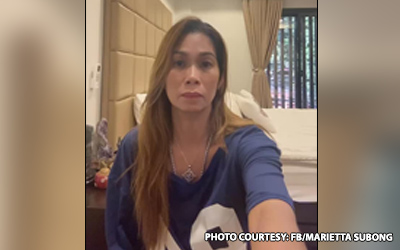
Pokwang, whose real name is Marietta Subong, publicly acknowledged her brother’s involvement. Although she stressed that her sibling’s actions did not reflect her own beliefs and behavior, she apologized to the father and his daughter, promising to make a personal visit to express remorse.
In her statement, she also took a firm stance by reminding the public that mistakes made by relatives should not automatically implicate other family members, including herself.
4. Immediate Legal Actions by the LTO
Following the viral spread of the incident, the Land Transportation Office (LTO) acted promptly. Authorities suspended the driver’s license of Carlo Subong for 90 days and issued a Show Cause Order, requiring him to attend a hearing and explain his side of the story.
These initial steps are part of standard procedure to allow investigation and due process.
5. The Recommendation to Revoke the License
As the investigation progressed, officials recommended that the driver’s license be permanently revoked rather than merely suspended. LTO leadership cited the severity of the physical violence captured on video as a strong basis for this recommendation.
Authorities justified the move by stating that a driver who exhibits dangerous and abusive behavior on public roads may be considered unfit to hold a license. The final resolution was expected to be released shortly after the conclusion of the hearing.
6. Cyberbullying and Cyberlibel Claims
Pokwang’s public statements went beyond apology; she also addressed how her family was being treated online. She warned social media users — including some politicians — about the legal implications of repeatedly posting images of her family and making unfounded accusations. Her comments invoked the Philippines’ cyberbullying and cyberlibel laws, stressing that sharing personal information without context can have legal consequences.
The actress specifically urged restraint, pointing out that repeated posts featuring her entire family crossed ethical lines.
7. Politicians and Public Figures Enter the Debate
The online discourse expanded when a lawmaker responded to Pokwang’s remarks. Bicol Saro Partylist Representative Terry Ridon pushed back, arguing that the facts — including the video, the LTO’s show cause order, and the driver’s identity — were already public information and did not constitute cyberbullying.
Ridon also advocated for stronger action, including permanent revocation of the license and coordination with the justice department on additional criminal charges.
8. Legal Standards: Cyberbullying vs. Public Interest
The controversy raised important legal questions: When does public interest reporting cross the line into cyberbullying? The balance between holding individuals accountable and protecting privacy is critical.
Experts note that while factual reporting on public offenses is generally permissible, malicious sharing of personal content aimed at harassing or demeaning individuals — especially unrelated family members — could violate cyberbullying or cyberlibel statutes. This remains a nuanced area of law and public debate.
9. Broader Social Impacts
This event illustrates how quickly a private incident can escalate into a multi-layered public issue in the digital era. Viral videos can trigger legal responses, influence public perception, and even prompt legislative commentary. At the same time, the risk of misuse of personal data and reputational harm underscores the need for responsible online behavior.
The incident also sparked conversations about road safety, accountability, and respect on public roads — issues that resonate far beyond celebrity circles.
10. What Happens Next
As official proceedings continue, the LTO’s final determination on the driver’s license and pending legal considerations remain focal points. Meanwhile, discussions about online ethics and accountability persist, reflecting broader concerns about how society engages with viral content and personal data.
Observers suggest that clearer guidelines and public education about cyberbullying and cyberlibel could help prevent similar controversies in the future.
Conclusion
The road rage incident involving Pokwang’s brother brought more than momentary viral attention — it sparked a multifaceted discussion about legal accountability, family reputation, and the power of social media. The move toward revoking the driver’s license underscores how seriously authorities are treating road safety violations, while the surrounding debate about cyberbullying highlights the delicate balance of rights and responsibilities in the digital age.
Ultimately, the case offers a clear reminder: public incidents involving private individuals can have far-reaching impacts, and how we engage with such content matters as much as the event itself.
Related Articles
How Cyberbullying and Cyberlibel Laws Work in the Philippines
Road Rage, Public Safety, and Legal Consequences in 2025
Pokwang’s Career Highlights and Personal Life
Understanding Online Harassment Laws in Southeast Asia