
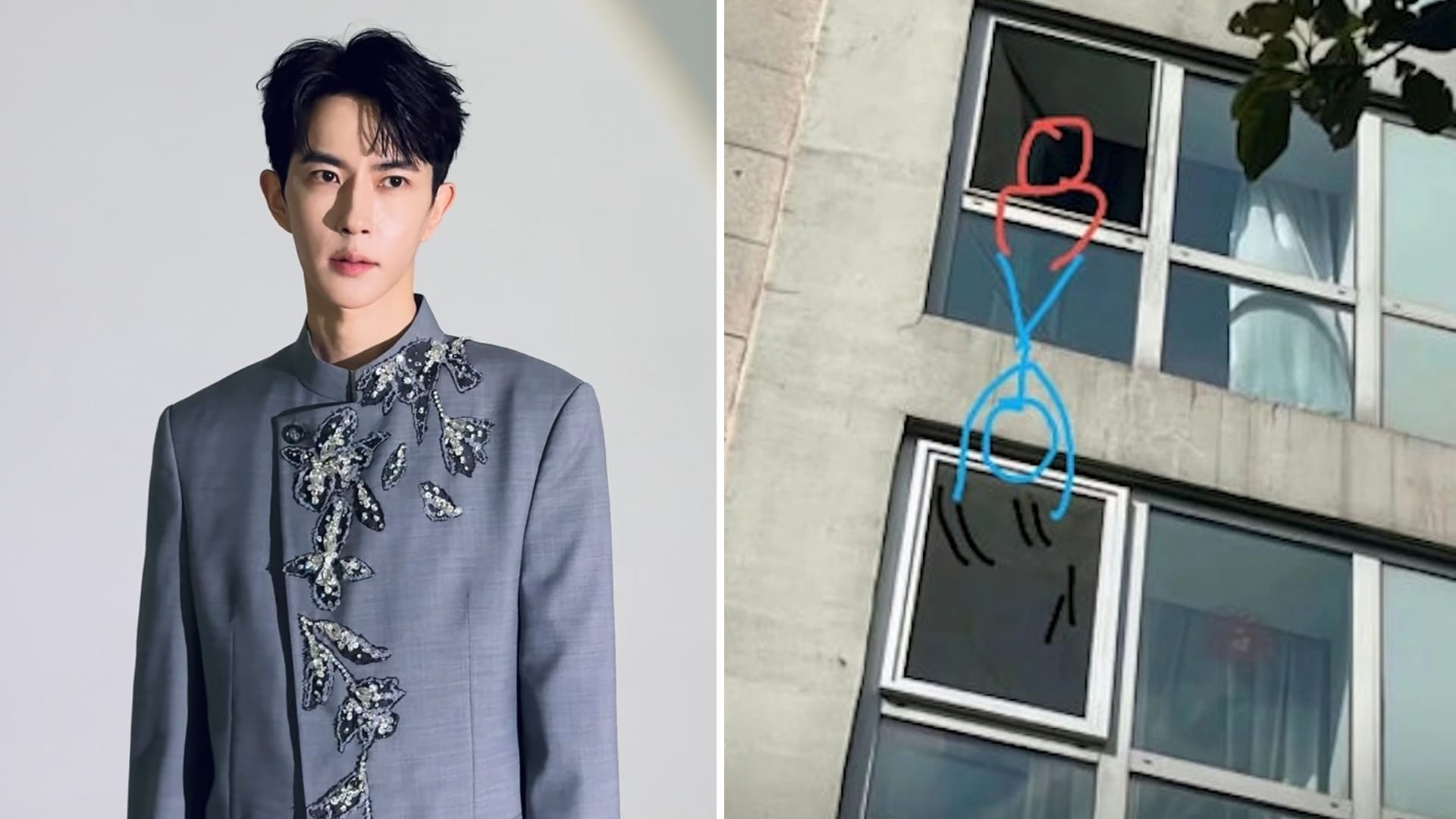
The Night the Rumors Exploded: Yu Menglong, 11 Echoes, and the Online Storm
Published on December 19, 2025
Introduction
In the digital age, a single headline can ignite a firestorm that far exceeds the facts behind it. Few events demonstrate this better than the wave of online speculation that swept across social platforms following the tragic accidental fall involving Yu Menglong in September 2025.
What began as simple rumor threads quickly morphed into dramatic narratives that referenced “11 echoes,” alleged networks of suspects, and even mythical “money machines” tied to shadowy figures. While these threads gained traction online, not a single one was backed by verified information.
This feature examines how that storm of stories unfolded — and why, in an era of instant virality, imagination can sometimes outpace truth.
Table of Contents
-
The Spark: A Simple Report Becomes a Sensation
Yu Menglong: Who He Really Was
Shadows and “11 Echoes”: How the Number Spread Online
Echo Chambers: Group Chats and Gossip Networks
The Xi Yuanping Money Machine Narrative
Social Platforms as Story Amplifiers
Karma, Narrative Loops, and Digital Mythmaking
Fan Tributes vs. Speculative Threads
Media Responsibility in Online Storms
Separating Mystery from Misinformation
1. The Spark: A Simple Report Becomes a Sensation
In early September 2025, Chinese authorities confirmed that Yu Menglong — an actor and musician beloved across Asia — had passed away following an accidental fall. The official report made no mention of any wider storyline, nor any involvement of secondary actors or mysterious events.
Yet within hours, fringe posts began circulating, mixing unrelated theories and unverified claims. A particular thread that referenced the number “11” repeated so often it became an online meme — even though it had no basis in documented fact.
2. Yu Menglong: Who He Really Was
Yu Menglong was a respected performer noted for his roles in popular drama series and his musical talent. His career spanned over a decade, and his fanbase stretched far beyond China’s borders. The real story of his life was one of artistic dedication and cross‑border admiration — not the dramatic narratives that later emerged online.
3. Shadows and “11 Echoes”: How the Number Spread Online
Numbers have a way of becoming symbols in internet lore. The “11 echoes” emerged from a viral post that attempted to link unrelated social media threads into a larger puzzle — a classic example of pattern recognition bias, where people connect dots that aren’t actually related.
4. Echo Chambers: Group Chats and Gossip Networks
Social platforms and messaging groups fueled these narratives. In closed chat rooms, rumors multiplied, each iteration becoming more elaborate than the last — not unlike a game of telephone where the original message becomes distorted over time.
5. The Xi Yuanping Money Machine Narrative
Another viral thread referenced “Xi Yuanping’s money machine,” which conflated unrelated headlines about high‑profile financial controversies with the Yu Menglong story. In reality, there is no public evidence connecting any financial figure or enterprise to the actor’s passing. Yet in the fertile soil of sensationalism, unrelated topics were woven into a provocative tapestry.
6. Social Platforms as Story Amplifiers
Algorithms favor engagement — especially emotional engagement. Posts that hinted at hidden plots or secret networks drew more attention than sober reporting. As a result, fringe narratives were amplified far beyond their origins.
7. Karma, Narrative Loops, and Digital Mythmaking
In online communities, stories often take on lives of their own. Some users began to frame the event in terms of “cosmic balance” or “karma,” linking it to unrelated controversies or personalities. These narrative loops kept the rumor alive long after authorities had clarified the basic facts.
8. Fan Tributes vs. Speculative Threads
Amid the noise, devoted fan communities held genuine tributes — sharing memories, artwork, and heartfelt messages of appreciation. These tributes stood in contrast to speculative threads that focused more on sensational details than on human emotion.
9. Media Responsibility in Online Storms
Reputable outlets responded by reiterating verified information and cautioning against speculation. Yet even in these corrections, references to the rumors inadvertently extended their reach — a common challenge in digital reporting.
10. Separating Mystery from Misinformation
Ultimately, the narrative that coalesced around Yu Menglong’s passing was less a mystery than a mirror of how digital culture processes unexpected news. Sensational threads may catch the eye, but facts — confirmed through official channels — remain the foundation of reliable understanding.
Conclusion
The surge of dramatic online narratives surrounding Yu Menglong’s accidental passing illustrates how quickly unverified claims can spread — especially when they tap into numbers, myths, and suggestive language. While digital imagination can be powerful, responsible discourse requires anchoring stories in confirmed information, not speculative threads.
As audiences grow savvier, the distinction between viral sensation and verified fact becomes ever more essential.
Related Articles
When Online Rumors Outpace Official Reports
Understanding Internet Mythmaking
Yu Menglong: A Retrospective on His Art and Influence
Social Media and the Spread of Speculative Narratives
News

Shocking Development: Claudine Barretto Breaks Down After Incident Involving Mommy Inday (NH)
Shocking Development: Claudine Barretto Breaks Down After Incident Involving Mommy Inday An emotional moment that highlights family bonds and the…

PJ Abellana Admits He Was Not Invited to Daughter Carla Abellana’s Wedding to a Doctor (NH)
PJ Abellana Admits He Was Not Invited to Daughter Carla Abellana’s Wedding to a Doctor Family, celebrity, and personal choices…

Nearly in Tears: John Estrada Reunites With His Children With Janice De Belen Last Christmas 2025 (NH)
Nearly in Tears: John Estrada Reunites With His Children With Janice De Belen Last Christmas 2025 An emotional holiday reunion…

A Wedding Without an Invitation: Rey PJ Abellana Breaks His Silence on Carla Abellana’s Private Ceremony (NH)
A Wedding Without an Invitation: Rey PJ Abellana Breaks His Silence on Carla Abellana’s Private Ceremony Family, boundaries, and unanswered…
Coco Martin on Facing Financial Challenges: Ready When the Time Comes (NH)
Published Date: December 29, 2025 Introduction Coco Martin, one of the most recognized actors and filmmakers in the Philippines, recently…
Katherine Luna Expresses Heartfelt Thanks After Receiving Eye Care from Coco Martin and Julia Montes (NH)
Published Date: December 29, 2025 Introduction Filipina actress Katherine Luna recently shared her heartfelt gratitude towards actors Coco Martin and…
End of content
No more pages to load