Remulla Defends “Armed and Dangerous” Remarks Against Atong Ang (NH)

🔴 Remulla Defends “Armed and Dangerous” Remarks Against Atong Ang
Introduction
Interior Secretary Jonvic Remulla recently defended his controversial public characterization of businessman Charlie “Atong” Ang as “armed and dangerous” amid escalating legal proceedings in the high‑profile missing sabungeros case. The remarks ignited a heated public debate on due process, the role of government officials in criminal investigations, and the responsibilities of state actors when discussing suspects before warrants are issued.
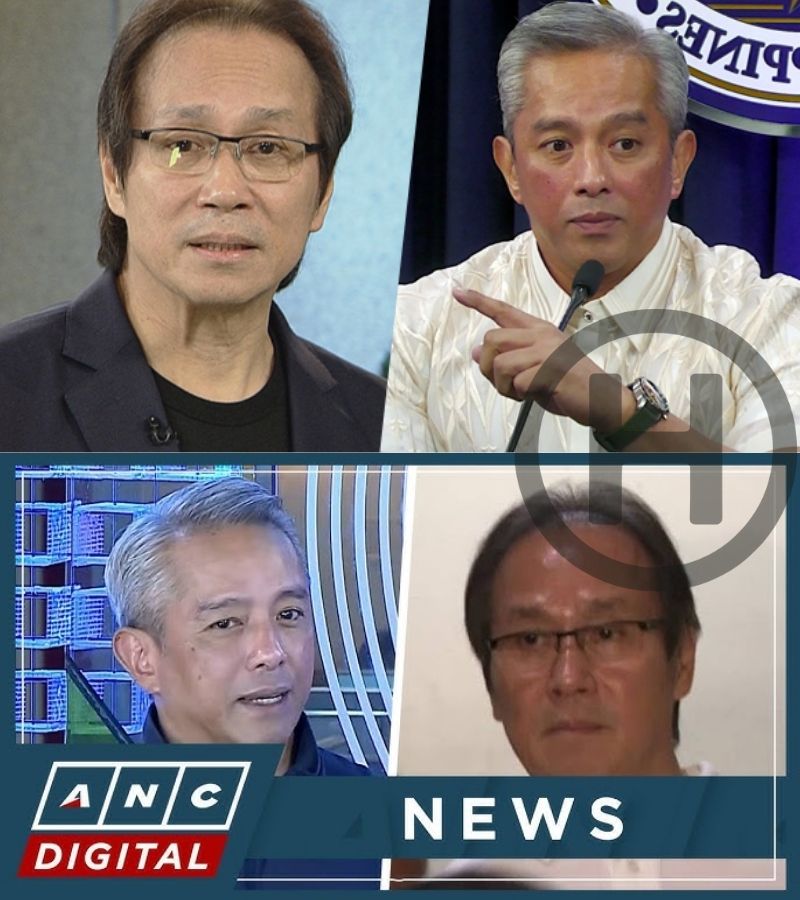
Remulla’s comments, made in an interview broadcast on ANC, were challenged by Ang’s legal team and critics who argue that such language could prejudice the judiciary, endanger the accused, or undermine the presumption of innocence. Supporters, on the other hand, frame the statement as pragmatic guidance for law enforcement preparing to serve potential arrest warrants.
This article examines the context of Remulla’s statements, the legal and public reactions they have sparked, and what this exchange reveals about the broader dynamic between law enforcement, public communication, and the rule of law in the Philippines.
Table of Contents
-
The Context: Missing Sabungeros Case and Atong Ang
What Remulla Said on ANC
Legal Framework: Presumption of Innocence and Public Statements
Government Rationale: Why Remulla Used “Armed and Dangerous”
Defense Reaction: Ang’s Legal Team Responds
Public and Media Reaction
Law Enforcement Preparations and Safety Considerations
Risks of Prejudicial Public Commentary
Broader Implications for Government Communications
Next Steps in the Sabungeros Legal Proceedings
1. The Context: Missing Sabungeros Case and Atong Ang
Prosecutors have filed multiple charges, including kidnapping with homicide and serious illegal detention, against Charlie “Atong” Ang and 21 others in connection with the disappearance of dozens of “sabungeros” in 2021–2022. The Department of Justice (DOJ) reported it found prima facie evidence supporting these charges, and cases were filed with several regional trial courts.
At the time of Remulla’s remarks, arrest warrants had not yet been issued, although authorities anticipated them. Remulla stated that Ang travels with multiple vehicles and numerous armed bodyguards, framing his assessment of risk in terms often used for dangerous suspects.
2. What Remulla Said on ANC
In an interview aired on ANC, Remulla stood by his prior characterization of Ang as “armed and dangerous,” asserting that the description was based on observed circumstances and necessary to guide law enforcement’s approach to a potential arrest. According to summaries of the broadcast, he emphasized that authorities must plan for the possibility of resistance or violence during an arrest operation.
He also stressed that labeling a suspect this way was not intended to result in unlawful force or extrajudicial outcomes, but rather to alert police to take appropriate precautions.
3. Legal Framework: Presumption of Innocence and Public Statements
Philippine law enshrines the presumption of innocence, meaning that an accused person is considered innocent until proven guilty in court. This principle forms a cornerstone of due process and is meant to protect the integrity of legal proceedings. Critiques of Remulla’s remarks argue that public officials should refrain from language that could effectively cast a suspect as guilty or dangerous before a court has issued a warrant or rendered a verdict.
Lawyers for Ang contend that such language could influence public perception and potentially affect judicial proceedings.
4. Government Rationale: Why Remulla Used “Armed and Dangerous”
Remulla and his supporters argue that the description reflects operational realities. In cases where suspects are believed to have access to firearms and substantial security details, suggesting a higher level of caution for police is framed as a matter of public safety rather than prejudgment.
Remulla has maintained that such assessments are critical for planning and protecting officers who may be tasked with making an arrest. By describing a suspect as “armed and dangerous,” authorities aim to ensure that the appropriate tactical preparations are made.
5. Defense Reaction: Ang’s Legal Team Responds
Ang’s lawyer, Atty. Gabriel Villareal, has been vocal in criticizing Remulla’s characterization. Villareal described the remarks as “reckless and dangerous,” warning that they could be interpreted as implying a “shoot‑on‑sight” or “shoot‑to‑kill” posture, especially in the absence of an actual arrest warrant. He suggested that such language could put his client’s life at risk and undermine constitutional protections.
The defense also noted that Ang has remained in the country and has cooperated with authorities, arguing that cooperation should weigh against any presumption of him resisting arrest.
6. Public and Media Reaction
Media coverage and public commentary have reflected a broad range of views. Some observers argue that Remulla’s language was inappropriate for a public official and risked prejudicing the case, while others contend that it was a legitimate statement about risk assessment in law enforcement operations.
Opinion pieces and commentaries have underscored both the need to respect legal norms and the public’s desire to see decisive action taken in a case that has drawn intense scrutiny. Critics emphasize that public trust in the justice system depends not only on outcomes, but also on adherence to due process in language and action.
7. Law Enforcement Preparations and Safety Considerations
From a law enforcement perspective, the term “armed and dangerous” is often used to flag individuals who are considered potentially threatening or inclined toward violent resistance. Such designations are not uncommon in police operations, where planning for worst‑case scenarios can be necessary to protect officers and bystanders.
Remulla’s defenders argue that his remarks were aligned with these considerations and not meant to suggest any form of prejudice against the suspect.
8. Risks of Prejudicial Public Commentary
Legal analysts have pointed out potential risks in publicly labeling suspects in terms that are traditionally used as law enforcement warnings. Statements from high‑level officials before a warrant is issued could be perceived as prejudicial, potentially influencing public opinion and, some argue, even judicial decision‑making.
Advocates for strict adherence to the presumption of innocence emphasize that public officials must exercise caution, especially in widely broadcast interviews.
9. Broader Implications for Government Communications
This episode raises broader questions about the role of government communications in active legal cases. Balancing transparency, public safety, and legal propriety is a perennial challenge for officials tasked with speaking on sensitive matters.
Ensuring that communications from public office respect legal principles while also providing necessary information to the public remains a complex responsibility.
10. Next Steps in the Sabungeros Legal Proceedings
Meanwhile, prosecutors and court authorities continue to move the case forward. The DOJ’s resolution finding prima facie evidence, combined with anticipated arrest warrants, suggests that the legal process is advancing to more concrete stages. Whether Remulla’s remarks will figure into defense motions or judicial considerations remains to be seen.
Conclusion
Interior Secretary Jonvic Remulla’s defense of his “armed and dangerous” remarks against Charlie “Atong” Ang reflects the tension between operational caution and legal propriety in high‑profile criminal cases. While the government argues the label was a practical advisory for law enforcement safety, critics insist that public officials should refrain from language that may appear prejudicial before a court has acted.
As the sabungeros case continues to unfold, the controversy over public rhetoric underscores the delicate balance between protecting public safety, respecting due process, and upholding the fundamental rights of individuals facing accusations.
Related Articles
Warrant vs Atong Ang Waiting to Be Issued Before Christmas
Atong Ang Lawyer Calls Remulla’s Remarks ‘Reckless, Dangerous’
Missing Sabungeros Case: DOJ Finds Prima Facie Evidence
How Presumption of Innocence Shapes Public Commentary