The Farmer’s Plea: A Father’s Desperate Call for Education Resonates, Leading to an Unexpected Christmas Lifeline
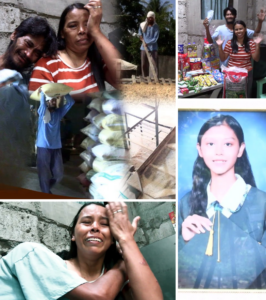
In the vast, often unforgiving rice fields of Sariaya, Quezon, the life of Tatay Arnold, a humble rice mill operator and farmer, embodies the daily struggle of millions of Filipinos fighting for a better future for their children. His story, a poignant blend of grueling labor, relentless financial strain, and profound parental devotion, recently transcended local boundaries when his desperate plea for assistance reached the ears of Senator Raffy Tulfo. This interaction transformed a private struggle into a public narrative of hope, culminating in an extraordinary act of Christmas generosity.
Tatay Arnold’s professional life is a relentless cycle of physical exertion and meager returns. He works primarily as a rice mill operator and takes on extra construction jobs, yet the income, as he tearfully explained, remains woefully insufficient. The irony of working in the heart of the country’s food source while struggling to feed his own family is stark. He detailed the low pay—P40 per sack for drying and manually laying out rice—and the devastating financial losses incurred when unpredictable rains destroy the crops, necessitating the tedious process of covering and uncovering the grain, often for weeks on end.
His deepest concern, however, is not his own exhaustion, but the education of his three children. “The salary of my husband is not enough,” shared his wife, speaking for the entire family’s anxiety. “It’s barely enough for food.” She spoke of the constant burden of school expenses, including projects and tuition for their eldest, who is in a boarding house. Her description of sleepless nights, worrying about whether they would have money for lunch or baon (allowance) for the next day, painted a visceral image of their perpetual anxiety.
The most painful moments, she confessed, were when her children made simple requests she couldn’t fulfill. She recounted having to gently explain to them why they couldn’t afford certain necessities, urging them to pray to God and study hard, emphasizing that despite the hardships, they must never resort to doing wrong. This constant emotional negotiation between necessity and hope defines their daily existence, highlighting the heavy psychological burden placed upon parents living in extreme poverty.
Tatay Arnold himself spoke of his difficult childhood, primarily raised by his father who was prone to drinking, often spending the harvest money on alcohol before it could be used for the family’s needs. He painfully recalled the constant state of debt, where all their hard work went toward settling arrears, leaving nothing to process into rice for their own sustenance. This history has instilled in him an immense drive to break this cycle for his own children, pushing himself to work until his body aches and his feet swell, knowing that stopping means complete destitution.
His appeal was direct and raw, a heartfelt request to Senator Tulfo for any form of assistance to help him see his children through their education. He stressed his willingness to work hard, stating that despite his exhaustion from farm work and construction sidelines, the financial gap was simply too vast for him to bridge alone. This humble and earnest cry for help, focused entirely on his children’s future, resonated deeply with the senator’s office.
Upon receiving the message, the Senator’s team immediately mobilized, traveling to Sariaya, Quezon, to verify the family’s situation and prepare a timely intervention. This rapid response underscores the immediacy often needed in poverty-stricken cases and the effectiveness of direct outreach in connecting aid with those most in need. The subsequent visit was not just about providing aid; it was about acknowledging Tatay Arnold’s sacrifices as a padre de pamilya (father of the family) and a farmer.
The arrival of the Senator’s representatives brought with it a wave of emotion and tangible relief. The initial surprise came in the form of a comprehensive Christmas package. This was not merely token aid; it included a sack of rice, groceries for daily needs, and supplies specifically for their Noche Buena (Christmas Eve dinner), ensuring that for the first time in many years, the family would have a proper holiday meal. The mother’s genuine tears and Tatay Arnold’s deep gratitude spoke volumes about the rarity of such abundance in their lives.
Tatay Arnold’s wife, deeply moved, offered a heartfelt thanks: “There is no equivalent happiness for what you have brought us today. Thank you so much.” The simple gifts restored a sense of dignity and normalcy to their home during the festive season, an essential emotional uplift after years of preparing for a “paskong walang handa” (Christmas without preparations). The relief of not having to worry about immediate food for the holidays was immense.
However, the generosity did not stop there. Senator Tulfo had prepared a far more significant gift: a monetary donation of P50,000. This amount, presented in cash by the Senator’s team, was a powerful, life-altering sum for the family. The father’s reaction was one of pure, unadulterated shock and profound gratitude. He accepted the money with trembling hands, immediately expressing his commitment to use the blessing responsibly, specifically for his children’s education and their needs.
The P50,000 donation is more than just money; it is a vital safety net that allows Tatay Arnold and his wife to breathe, to focus their limited income on immediate needs while having a buffer for school fees and unexpected expenses. It relieves the mother of those agonizing sleepless nights and gives the children the tangible reassurance that their parents’ sacrifices are finally being rewarded with a chance at a brighter future. It represents a potential break from the vicious cycle of debt and poverty that plagued Tatay Arnold’s own upbringing.
The story, widely shared, serves as a beacon of hope and a profound testament to the power of media advocacy in the Philippines. It highlights the vast, often unseen struggles of the agricultural sector, where even the most diligent labor often fails to guarantee basic security. More importantly, it celebrates the enduring Filipino value of pagmamalasakit (compassion) and the principle that parental sacrifice, when brought to light, deserves the community’s support.
As Tatay Arnold concluded his expression of thanks, wishing the Senator a Merry Christmas, the entire exchange confirmed that for this family in Sariaya, Quezon, the spirit of Christmas had arrived early, not in the form of lavish gifts, but as a crucial, hard-earned lifeline that promised a viable path toward fulfilling their most cherished dream: seeing their children finish their education and secure a future far removed from the backbreaking toil of the fields. The farmer’s plea was answered, and a future was secured.
News
Isang pamilya ang umakyat mula sa hirap patungo sa pangarap, ngunit sa isang iglap, gumuho ang lahat nang salubungin kami ng trahedya, sakit
“Isang pamilya ang umakyat mula sa hirap patungo sa pangarap, ngunit sa isang iglap, gumuho ang lahat nang salubungin kami…
Isang bata ang tinawag kong magnanakaw sa gitna ng palengke, ngunit sa likod ng kanyang munting kamay na may dalang bigas, natuklasan
“Isang bata ang tinawag kong magnanakaw sa gitna ng palengke, ngunit sa likod ng kanyang munting kamay na may dalang…
Isang batang gutom ang nakakita ng lihim na hindi dapat masilayan, at sa isang iglap, ang kanyang katahimikan ang naging kapalit ng buhay ng isang
“Isang batang gutom ang nakakita ng lihim na hindi dapat masilayan, at sa isang iglap, ang kanyang katahimikan ang naging…
Sa isang gabing umuulan sa abandonadong mansyon, natuklasan kong ang tunay na multo ay hindi ang bahay kundi ang mga lihim, pagbabanta
“Sa isang gabing umuulan sa abandonadong mansyon, natuklasan kong ang tunay na multo ay hindi ang bahay kundi ang mga…
Isang supot ng barya, isang hakbang sa grocery, at isang sandaling muntik nang tuluyang durugin ang natitirang dangal ko bilang tao
“Isang supot ng barya, isang hakbang sa grocery, at isang sandaling muntik nang tuluyang durugin ang natitirang dangal ko bilang…
Sa likod ng marangyang mansyon, may isang lihim na lumalaki kasabay ng takot at pag-asa ng isang anak ng katulong na ayaw nang manatiling tahimik.
“Sa likod ng marangyang mansyon, may isang lihim na lumalaki kasabay ng takot at pag-asa ng isang anak ng katulong…
End of content
No more pages to load