The Darkest Day for Journalism: Uncovering the Chilling Truth Behind the Nation’s Most Heartbreaking Political Tragedy
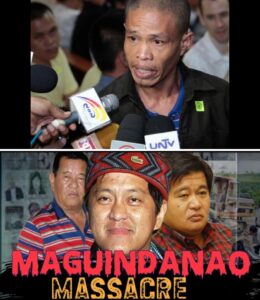
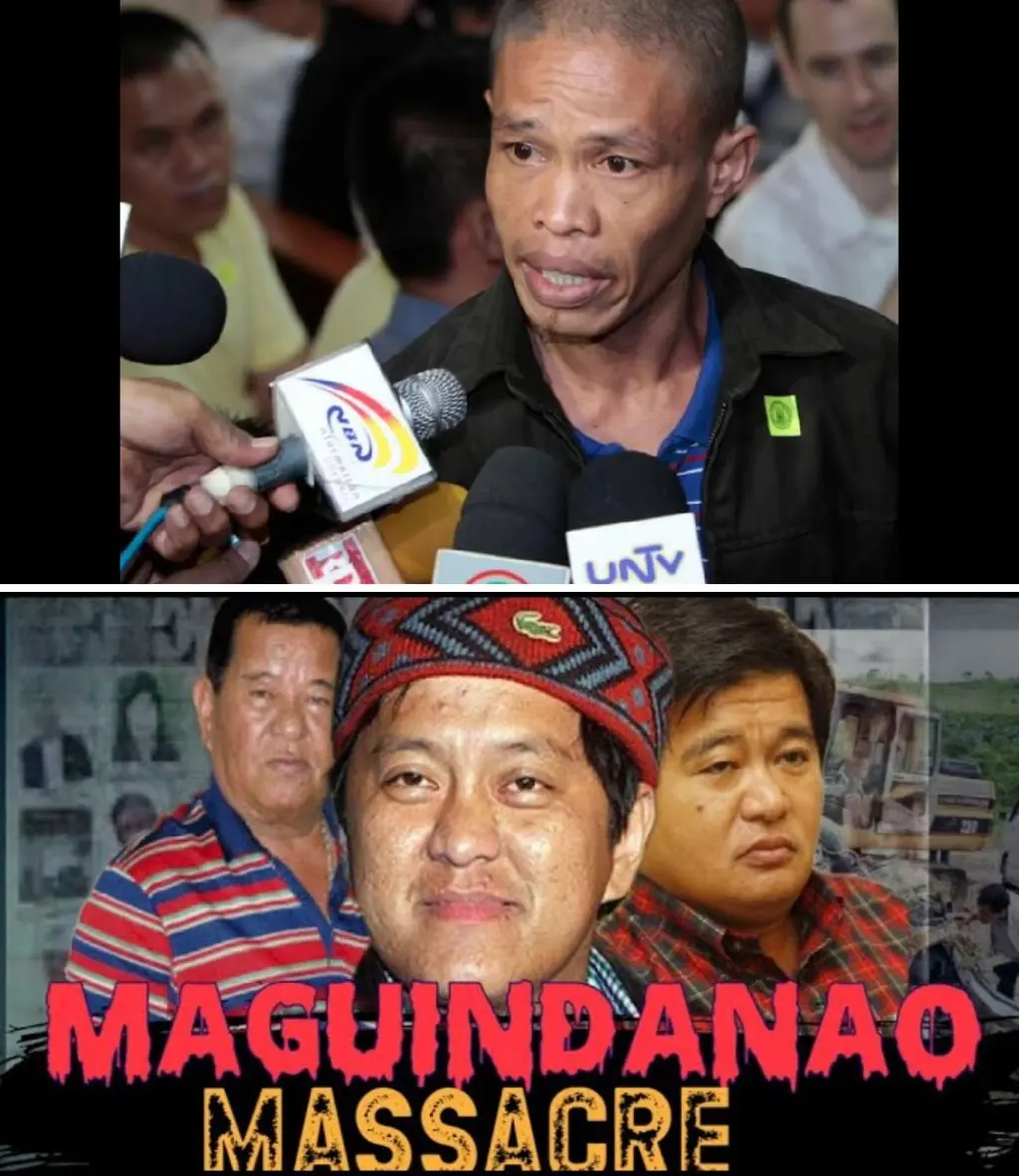
The morning of November 23, 2009, began like any other in the province of Maguindanao, where the sun rose over the vast landscapes and the air was thick with the usual heat and the buzzing energy of the upcoming elections. It was supposed to be a day of democracy, a day where political aspirations were formalized, but instead, it became a date etched in blood and tears in the history of the Philippines—a day when the world watched in horror as 58 lives were extinguished in a single, brutal act of violence. For the residents of Buluan, it was a day of hope mixed with anxiety as Vice Mayor Esmael “Toto” Mangudadatu was set to challenge the iron grip of the Ampatuan clan, a powerful political dynasty that had ruled the province for decades. Knowing the risks, Mangudadatu made a decision that would haunt him forever; believing that traditional Islamic culture and basic human decency would protect women and journalists, he sent a convoy led by his wife, Genalyn, his sisters, and a large contingent of media workers to file his Certificate of Candidacy, staying behind himself.
The convoy was meant to be a symbol of transparency, with journalists from various outlets—reporters, cameramen, and drivers—joining the trip in the belief that their presence would serve as a shield. They thought that no one would dare harm a group under the watchful eye of the media, gathering to document history without knowing they were about to become the tragic subjects of it. Among the vehicles were light-colored vans and SUVs carrying mothers, lawyers, and professionals who chatted nervously but hopefully on their way to the Commission on Elections office. However, as they traversed the highway approaching the town of Ampatuan, the atmosphere shifted drastically when the convoy was flagged down at a checkpoint in Sitio Malating. It wasn’t a standard police operation; according to witness testimonies that would later surface in court, over a hundred armed men blocked their path, shattering the safety they assumed they had in an instant.
Witnesses described a scene of absolute chaos and fear as the passengers were forced out of their vehicles with no room for negotiation, facing only the cold, hard barrel of authority wielded by private armies. They were herded off the main highway and driven to a remote, hilly area where their screams would not be heard and the prying eyes of the public could not see. What happened next on that isolated hilltop is difficult to recount without feeling a heavy weight in one’s chest, as the victims were met with merciless violence in an act of total erasure. The perpetrators didn’t just want to stop the filing of candidacy; they wanted to send a message, taking lives methodically in an event that became the single deadliest incident for journalists in history. Thirty-two media workers were among the 58 souls lost, people with families waiting for them at home, simply doing their jobs alongside women who believed their gender would spare them from political crossfire.
Perhaps the most chilling symbol of this tragedy was the yellow backhoe found at the scene, which wasn’t there for construction but was used in an attempt to bury the vehicles and the bodies in mass graves to hide the evidence. To understand why this happened, one must look at the political landscape of Maguindanao at the time, where the Ampatuan clan held absolute authority, and challenging them was seen not just as political opposition but as a personal affront. Mangudadatu’s bid for governor was a direct threat to their succession plan, and the tragedy was the result of a political culture where power was maintained through fear and where private armies operated with perceived impunity. The discovery of the crime scene sent shockwaves around the globe, leading to the declaration of martial law in the province and the arrest of key members of the clan.
However, the road to justice was agonizingly long, spanning a decade and involving 357 witnesses and voluminous evidence that tested the Philippine judicial system. Throughout the ten years, families of the victims waited in agony, with some witnesses being targeted and others disappearing, casting a constant shadow of fear over the proceedings. Finally, in December 2019, Judge Jocelyn Solis-Reyes delivered the verdict in a packed courtroom, sentencing Andal Ampatuan Jr., his brother Zaldy, and other key accused to life imprisonment without the possibility of parole. While it was a moment of vindication, deep sorrow remained, as no verdict could bring back the loved ones lost, and with dozens of suspects still at large, a lingering sense of unease persists. The Maguindanao tragedy serves as a grim reminder of the dangers of unchecked power and the fragility of press freedom, challenging the nation to remain vigilant so that such an atrocity never happens again.