Judicial War 2025: Trump Sanctions and Putin’s Prison Sentences Push the ICC to the Brink as the Duterte Case Hangs in the Balance
The International Criminal Court (ICC) in The Hague is currently facing an existential crisis that many experts believe could lead to its total collapse. In a year defined by unprecedented geopolitical shifts, the court has found itself caught in a devastating crossfire between the world’s most powerful superpowers. As of December 2025, the “Judicial War” has reached a fever pitch, with the United States under President Donald Trump and Russia under Vladimir Putin launching a coordinated—though independent—assault on the court’s personnel. This global showdown is not just a theoretical legal debate; it has direct and massive implications for high-profile cases, most notably the ongoing trial of former Philippine President Rodrigo Duterte.
The latest escalation occurred on December 18, 2025, when U.S. Secretary of State Marco Rubio announced a new round of sanctions against two additional ICC judges: Gocha Lordkipanidze of Georgia and Erdenebalsuren Damdin of Mongolia. These judges, both members of the Appeals Chamber, were targeted for their refusal to drop war crimes investigations into U.S. allies. By invoking Executive Order 14203, Washington has effectively “excommunicated” these judges from the global financial system.
The Financial Guillotine and the Kremlin’s Retaliation
The impact of U.S. sanctions is nothing short of catastrophic for the targeted individuals. Being blacklisted by the U.S. Treasury means that these judges—who were elected to serve as impartial arbiters of justice—can no longer access credit cards, use international banking services, or even book simple travel through platforms like Airbnb or Uber. Global financial institutions, fearing secondary sanctions, have begun preemptively freezing accounts associated with the ICC, leaving its staff “economically and socially wiped out.”
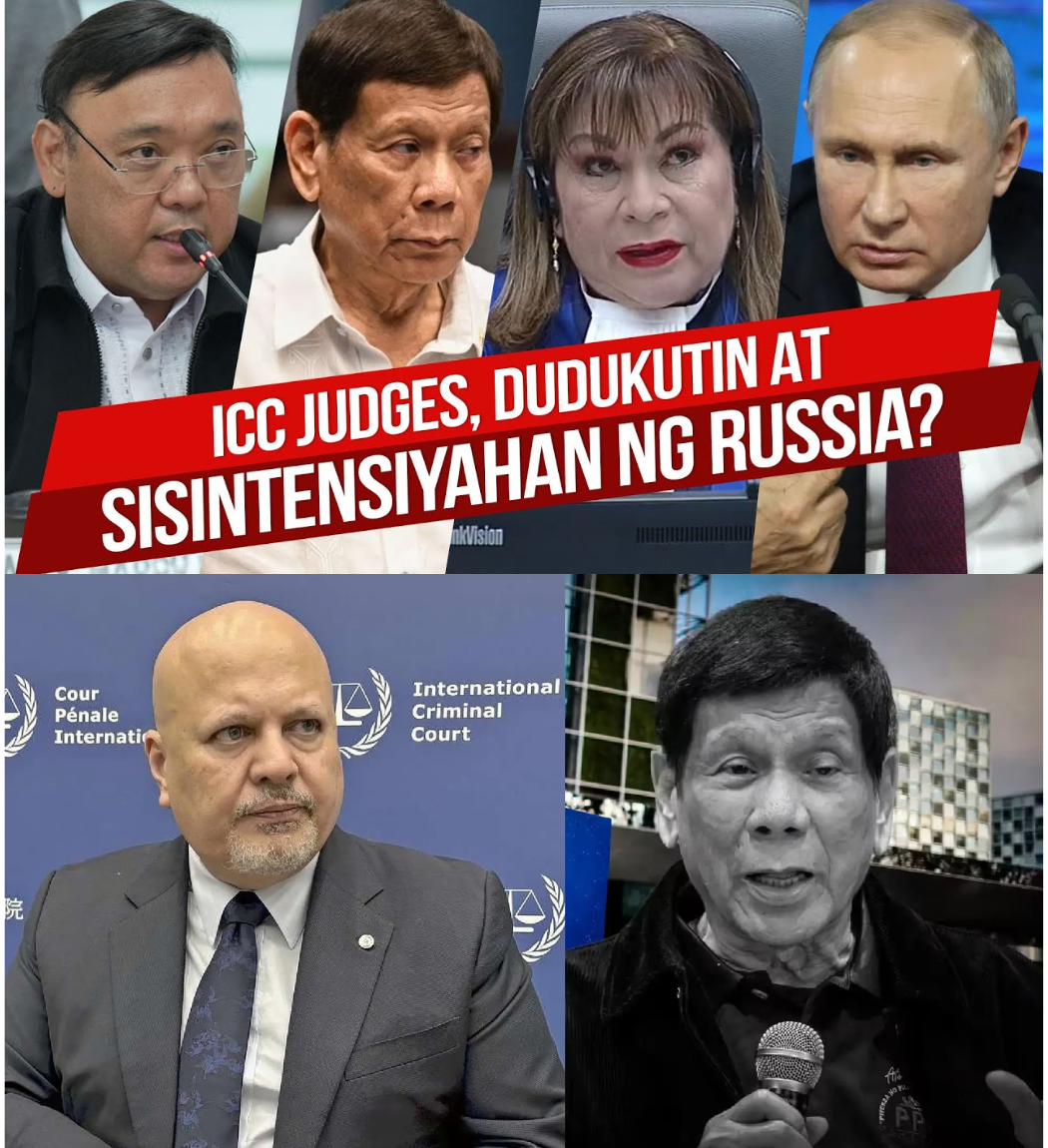
While Washington uses the dollar as a weapon, Moscow has opted for the prison cell. Just days before the latest U.S. move, the Moscow City Court delivered a staggering blow by sentencing ICC Chief Prosecutor Karim Khan and eight judges to lengthy prison terms in absentia. Khan received a 15-year sentence, while the judges received terms ranging from three to fifteen years. Moscow’s justification? “Bringing a knowingly innocent person to criminal liability”—a direct retaliation for the 2023 arrest warrant issued against Vladimir Putin. This pincer move from the East and the West has turned the world’s top international lawyers into international fugitives.
The Philippine Connection: Karma or Catalyst?
For the Philippines, this global chaos is more than just a news item; it is the backdrop of the most significant legal battle in the nation’s history. Former President Rodrigo Duterte, who was arrested on March 11, 2025, remains in ICC detention in The Hague. Only weeks ago, on November 28, 2025, the ICC Appeals Chamber unanimously rejected Duterte’s request for interim release, ruling that he remains a flight risk and a potential threat to witnesses due to his vast political network.
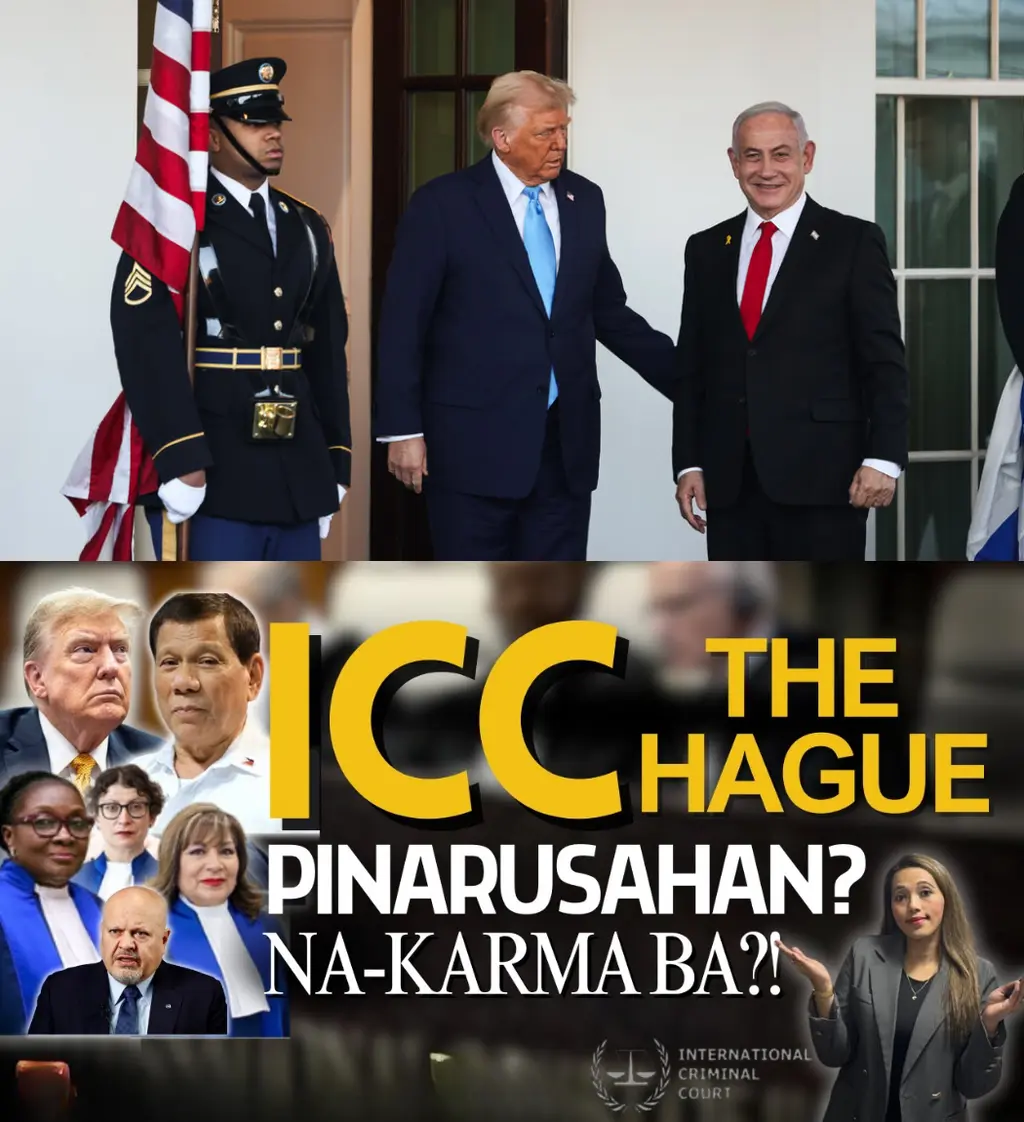
However, the “Judicial War” is now providing Duterte’s legal team with new ammunition. His lawyers are increasingly arguing that the court is a “bankrupt and illegitimate institution” under fire from the world’s superpowers. If the ICC continues to be paralyzed by sanctions and criminal sentences, its ability to hold a fair and speedy trial is compromised. Critics of the court in the Philippines are calling this “karma”—suggesting that the very institution that sought to judge others is now being judged by the world’s giants.
A Court on the Verge of Collapse
The internal state of the ICC is equally dire. Beyond the external pressure, the court is facing a leadership vacuum and a financial black hole. Chief Prosecutor Karim Khan remains on self-imposed leave following allegations of sexual misconduct, further dampening the court’s moral authority. Meanwhile, dozens of member states are in default of their contributions, leaving a 74-million-euro deficit.
The “chilling effect” of the U.S. sanctions has also hindered the court’s ability to gather evidence. In the Philippines, the Commission on Human Rights recently revealed that police officers are invoking Duterte-era secrecy rules to block access to drug war records. Without the financial and political backing of major powers, the ICC’s investigators are finding it nearly impossible to penetrate these bureaucratic walls.
The Future of Global Justice
As 2025 draws to a close, the ICC stands at a crossroads. The dream of a “rules-based international order” where even the most powerful leaders can be held accountable is being tested by raw geopolitical force. The European Union and human rights groups have condemned the sanctions as a “flagrant attack” on judicial independence, yet their ability to protect the court remains limited.
For the victims of the Philippine drug war, the stakes are painfully high. They have waited years for this moment of accountability, only to see the court itself become a target. If the ICC falls, the message to leaders around the world will be clear: justice is a matter of choice, not a matter of law.
The “Judicial War of 2025” has revealed the fragile reality of international justice. For the eighteen judges at The Hague, the coming months will be a test of their personal courage. Whether they will continue to hear the case against Rodrigo Duterte or be remembered as the final occupants of a failed institution remains to be seen. One thing is certain: the world is watching, and the verdict on the court itself may come sooner than the verdict on its prisoners.