The Pasig Compound Horror: How a 22-Year-Old Bank Teller’s Dreams Were Extinguished Just Steps From Home, and the Forensic Clues That Unmasked the Treachery of an Insider

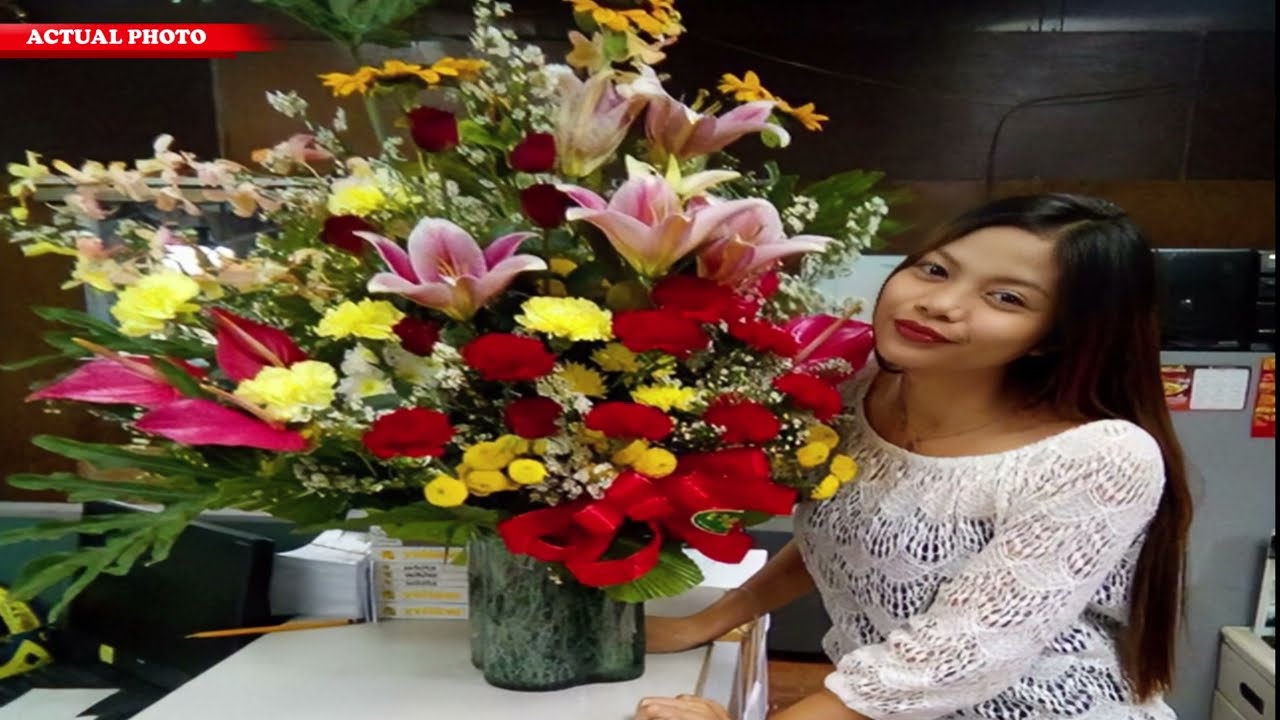
The year 2017 brought a devastating and profound tragedy to Pasig City, Philippines, shaking the core belief in safety within communal living spaces. The victim, Mabel Tagal Kama, was a vibrant, responsible 22-year-old bank teller, the fourth of five children born to Reynaldo and Charito Kama. She was the pride of her family, known for her kindness, her supportive nature, and her unwavering goal to give back to her parents, who had worked tirelessly to raise her. Mabel embodied the hope of a brighter future, having recently secured a stable job as a bank teller in Makati, a significant step toward her dream of providing a better life for her loved ones. Her daily routine was simple: commute to work in the morning and return home late in the evening after her shift.
The Kama family resided in a large, multi-tenant compound on Ortigas Avenue Extension in Pasig, a property that once served as an impounding area. Though the compound was now rented out to bus companies and their employees—including Mabel’s father, who worked as an electrician—it was generally considered secure. It had a main entrance guarded by security personnel, and residents were familiar with one another, making the space seemingly safe. However, on the night of Friday, November 10, 2017, this perceived safety dissolved into horror. Mabel returned home late from overtime work, arriving at the compound gate around 11:30 PM. She passed the main guard post, but upon reaching the inner gate of her family’s residence, she found it locked, a strict policy of the compound. She reportedly texted her sister to open the door, but the message was slightly delayed.

When Mabel’s sister finally went outside minutes later to let her in, Mabel was gone. Initially, the family assumed she had simply left to wait elsewhere, frustrated by the delay. But when she failed to appear the next morning, panic set in. Mabel’s father, Mang Reynaldo, who was away at the time, quickly returned home and filed a missing person report with the Pasig City police. Unwilling to wait, Mang Reynaldo began his own frantic search within the compound. His heartbreaking investigation led him to an abandoned bunkhouse, a former office space only about 50 meters from their home. A strange plume of smoke caught his attention. Upon entering the building, he made a discovery that no parent should ever have to face: his daughter’s remains were found, wrapped in burned linoleum, a tragic end to her promising life.
The missing person case immediately escalated to a criminal investigation. The scene was devastating: Mabel’s body showed signs of a profound physical ordeal. Forensic examination later determined the cause of her passing to be a blunt traumatic injury to the head, delivered by a heavy, hard object. Furthermore, her lower body showed severe burn damage, suggesting that acrylic thinner found at the scene had been used to set her body ablaze in an attempt to destroy evidence. Fragments of a white substance, later confirmed to be an illicit substance, were recovered, suggesting that the crime may have been perpetrated by individuals under the influence. This was not a random act; it was a brutal assault executed by someone who likely knew the compound and Mabel’s routine.
The investigation faced immediate challenges, primarily the lack of CCTV cameras inside the compound and the darkness of the area at night. However, the police focused on forensic evidence recovered from the scene: fingerprints on Mabel’s recovered cellphone and on the linoleum used to wrap her body. These fingerprints, along with the testimony of a key witness, proved to be the turning point. The witness, a truck driver named Randy O. Abanilla, 38, who lived in the same compound, initially presented himself to the police. However, inconsistencies in his statement and his physical proximity to the crime scene raised suspicion.
When police conducted comparative forensic analysis, the truth was revealed: Abanilla’s fingerprints matched three sets of prints found on Mabel’s phone and on the linoleum. Furthermore, Abanilla tested positive for illicit substances, a factor the police believe contributed to the crime. Abanilla, initially a “witness,” was quickly reclassified as the prime suspect and was apprehended by authorities. While the guard reported seeing three men near the smoke and fire, and police strongly suspect multiple individuals were involved, Abanilla has maintained his silence regarding any accomplices, fueling the family’s pain that others may still be at large within the community.
The family’s grief and fight for justice became a national symbol of endurance. Mang Reynaldo openly expressed his dismay that the perpetrator was someone he had lived alongside. In an effort to encourage fearful witnesses to speak, the local government of Pasig City, under Mayor Robert Bobby Eusebio, increased the reward money significantly. Although Abanilla was apprehended quickly after the forensic breakthrough, the legal battle continues. The perpetrator remains incarcerated, facing charges related to the grievous crime. The entire saga of Mabel Tagal Kama is a tragic testament to a life full of promise extinguished too soon, and a chilling reminder that the greatest danger can sometimes lurk in the places we consider safest.