Isang nakakagimbal na pag-ikot ng kuwento nang muling lumitaw ang isang 2023 Maserati MC20 katabi ng mga bag na diumano’y naglalaman ng perang
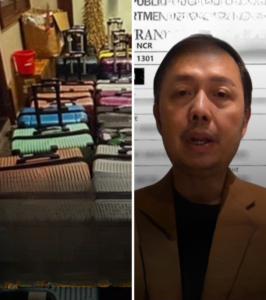
A shadow of doubt now stretches across a scandal that has already shaken public trust — as a high-end sports car, a 2023 Maserati MC20, emerges at the center of explosive claims tied to alleged cash-bag deliveries linked to a major flood-control project. The revelations, based on documents and video stills obtained by an investigative news team, could complicate matters for powerful figures who have been accused of receiving kickbacks.
On November 15 of this year, a former congressman released a video claiming massive kickbacks under the guise of flood-control contracts. Among those named as recipients were the President and a former Speaker of the House. The video included dramatic footage of luggage supposedly filled with cash — intended for the alleged recipients — being transported and delivered. But one detail in the images immediately caught attention: parked beside the luggage was a sleek luxury vehicle whose conduction sticker read “U0L960.”
Investigators later traced that sticker to a 2023 Maserati MC20, a sports car registered under a company called Socali Trading. The importer is listed as Brilliance Auto Corporation — a sole proprietorship registered with the country’s trade regulator and said to deal in automotive and general trading. The documented buyer was named as Federico Jr. Guilliem Datoon, at a purchase price of approximately 20 million pesos.
At first glance, everything seemed in order. The Maserati was landed in the country on June 5, 2023. Customs clearance followed on June 9, and a police clearance was secured by July 12. Yet the registration record at the vehicle licensing office still listed the car as stock under the importer by July 11 — a day before the police clearance was issued.
It was only on December 18, 2024 that the car was transferred into the hands of Socali Trading, described in the papers as a “brand-new imported” vehicle. This timeline presents a troubling contradiction. The luggage-delivery images — allegedly showing cash being moved — were dated November 29, 2024. That places the Maserati at the scene before it was officially recorded as sold to Socali Trading — raising the question: who actually owned or used the car at that time?
Curiously, a site visit by the investigative news team to the registered address of Socali Trading in Quezon City revealed nothing but a building belonging to a well-known multi-level marketing firm. Employees there confirmed that no such trading company existed in the premises, despite years of occupancy. This building reportedly houses a company whose founder also heads the only authorized Maserati distributor in the country.
Requests for comment sent to the distributor’s head and to the trade regulator went unanswered. Meanwhile, further documents surfaced showing that on the same day Socali Trading allegedly acquired the MC20, it also bought three more Maserati vehicles from the same importer: a Levante GT, and two Grecale models (one hybrid). The sudden accumulation of high-end cars by a virtually untraceable company raises serious concerns about the legitimacy of the transactions and the actual flow of ownership.
To many observers, these inconsistencies point to a carefully orchestrated scheme — possibly meant to mask true ownership or divert scrutiny away from key players. If the delivery luggage indeed contained illicit funds, the presence of a luxury vehicle with dubious documentation at the scene could signal deeper levels of corruption and evasion.
At stake is not only the credibility of public officials accused of receiving kickbacks, but also the integrity of institutions meant to regulate trade, customs, and vehicle registration. The alleged failure to properly register a high-value imported car, combined with murky ownership transfers, demands urgent clarification.
For the families affected by floods and for taxpayers at large, this case is more than a political scandal — it touches on trust, justice, and accountability. If proven true, it may unveil a network where luxury cars and secret deliveries become currency in illicit exchanges.
As the investigation unfolds, all eyes are now on regulatory bodies and law-enforcement agencies: will they trace the real owners of the car, audit the transactions, and shed light on the alleged cash flow behind the flood-control projects? Or will this Maserati case vanish like many other shadowy leads before it — leaving the public with yet another unanswered scandal?
In a society grappling with repeated allegations of corruption, the sudden appearance of a luxury car at the scene of an alleged bribery delivery serves as a stark reminder: power, wealth, and secrecy often travel together — but so might justice, if awakened.