Atong Ang Indicted by DOJ Over Missing Sabungeros Incident (NH)
Introduction
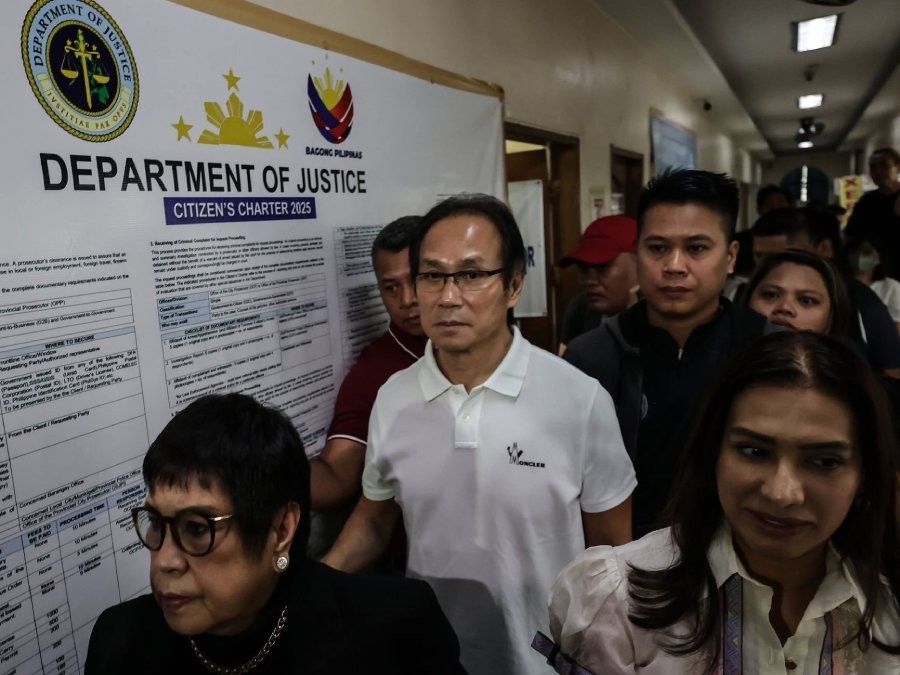
In one of the most controversial and widely followed legal developments in recent Philippine history, gaming magnate Charlie “Atong” Ang has been formally charged by the Department of Justice (DOJ) in connection with the disappearance of dozens of “sabungeros” — individuals who attended cockfighting events and have since vanished under mysterious circumstances. The DOJ’s decision to pursue multiple criminal counts against Ang and several co‑accused represents a pivotal escalation in a case that has drawn public outrage, intense media scrutiny, and complex legal maneuvering.
Atong Ang, a prominent figure in the gaming and e‑sabong industry, has firmly denied any wrongdoing. His legal team has criticized the DOJ’s resolution, characterizing it as flawed and unfair. Families of the missing sabungeros, on the other hand, have expressed cautious optimism that the pursuit of charges may finally lead to accountability.
This comprehensive article examines the context and background of the missing sabungeros case, the DOJ’s rationale for filing charges, reactions from key stakeholders, and the broader implications of these legal actions on Philippine society, governance, and the rule of law.
Table of Contents
-
The Missing Sabungeros: Background and Public Outcry
Who Is Charlie “Atong” Ang?
The DOJ Investigation: From Subpoenas to Charges
Legal Charges Filed: Kidnapping, Homicide, and Illegal Detention
Evidence and Prima Facie Findings
Defense Strategy: Ang’s Response and Legal Objections
Reactions from Families and Civil Society
Media Coverage and Public Perception
Legal and Judicial Implications
What Happens Next: Warrants, Trials, and Possible Outcomes
1. The Missing Sabungeros: Background and Public Outcry
The term “sabungeros” refers to individuals who participate in cockfighting events — a centuries‑old pastime in the Philippines that has evolved into a major industry, especially with the advent of electronic cockfighting or e‑sabong. It was within this milieu that reports emerged of dozens of participants disappearing without explanation.
Whistleblowers and family members alleged that the missing sabungeros were abducted, detained, and in some instances, killed. One former insider provided detailed, though contested, allegations regarding how these disappearances occurred, including claims that victims were killed and disposed of in bodies of water such as Taal Lake.
The disappearances, combined with sensational accounts from alleged witnesses, sparked public concern and multiple congressional inquiries, fueling calls for an official investigation.
2. Who Is Charlie “Atong” Ang?
Charlie “Atong” Ang is a well‑known businessman and gaming tycoon, prominently associated with e‑sabong operations and various gaming enterprises. His influence within the industry, and by extension related regulatory bodies, has long made him a subject of public interest, debate, and occasionally criticism.
Ang’s corporate portfolio and personal affairs have intersected with politics, gaming regulation, and complex industry dynamics, positioning him at the center of discussions on how e‑sabong and related activities are governed. In the context of the missing sabungeros case, his name emerged not merely because of his business affiliations, but because of allegations — contested yet serious — linking him to actions that, if proven, would constitute grave criminal liability.
3. The DOJ Investigation: From Subpoenas to Charges
The Department of Justice began its involvement through preliminary investigations that included issuing subpoenas to dozens of individuals — including Atong Ang and other persons connected to the case — who were identified in various statements and affidavits related to the sabungeros’ disappearance. Subpoenas were part of the DOJ’s efforts to gather testimony, documents, and other evidence relevant to the case.
As the investigation progressed, the DOJ panel examined evidence and witness testimonies to determine whether there was prima facie basis — meaning sufficient evidence that could support a conviction at trial — for charging particular individuals. A DOJ resolution declared that there was prima facie evidence warranting criminal charges against Ang and 24 other respondents.
This step followed months of public commentary, police involvement, and formal complaints filed by victims’ families, reflecting both legal and social dimensions of the case.
4. Legal Charges Filed: Kidnapping, Homicide, and Illegal Detention
In total, the DOJ filed 26 criminal informations before several Regional Trial Courts (RTCs) on December 19, 2025, charging Atong Ang and his co‑accused with a combination of serious offenses. These included:
10 counts of kidnapping with homicide, related to deaths of sabungeros believed to have been killed;
16 counts of kidnapping with serious illegal detention for those who remain missing.
These charges, if upheld, carry severe penalties and reflect the gravity of alleged acts under Philippine law. The specific circumstances detailed in the filings remain subject to courtroom proceedings and judicial review.
5. Evidence and Prima Facie Findings
The DOJ’s decision to charge Ang was anchored on its preliminary finding that there was prima facie evidence with reasonable certainty of conviction — a key legal threshold indicating that prosecutors believe the available evidence could reasonably result in a conviction if presented at trial. Prosecutors conducted a preliminary investigation that included reviewing statements, allegations, and records connected to the disappearances.
While the exact contents of evidentiary submissions are under judicial review, the DOJ emphasized its determination of probable cause — meaning there is sufficient basis to accredit the charges and proceed with formal case filings.
At the same time, the DOJ chose to dismiss charges against several other individuals, including some initially implicated, due to lack of direct evidence connecting them to the alleged kidnappings. Notably, certain public personalities were not included among the indicted individuals, with authorities citing insufficient substantiation for proceeding against them.
6. Defense Strategy: Ang’s Response and Legal Objections
Atong Ang’s defense has been vociferous in criticizing the DOJ’s resolution. His legal team characterized the indictment as “deeply flawed and grossly unfair,” asserting that the evidence relied heavily on a single witness whose credibility is questionable. They highlighted alleged inconsistencies and factual gaps that they argue undermine the charges.
Ang’s camp has also pursued legal actions against individuals who accused him, including filing complaints related to allegations made by whistleblowers. Furthermore, Ang has maintained his innocence, asserting cooperation with authorities and denying involvement in any criminal wrongdoing.
This legal posture reflects an aggressive defense strategy aimed at challenging both the evidentiary basis and procedural interpretations underpinning the DOJ’s decision.
7. Reactions from Families and Civil Society
Victims’ families and civil society groups have offered varied reactions. Many relatives of missing sabungeros have expressed relief that legal charges have been filed, viewing the DOJ’s action as a step toward accountability after years of unanswered questions and distress.
Some advocacy groups have emphasized the need for transparency, urging the justice system to follow due process while ensuring that alleged perpetrators are brought to trial. Public demonstrations, online petitions, and media campaigns have underscored the emotional weight of the case for families seeking closure.
8. Media Coverage and Public Perception
Media coverage of the missing sabungeros case has been extensive, with local and national outlets reporting on developments ranging from whistleblower accounts to legal filings and political commentary. Television networks, newspapers, and online platforms have all contributed to public awareness, though interpretations and framing have varied.
Some commentators have focused on the legal intricacies and implications for the DOJ and judiciary, while others have highlighted the social and emotional aspects of the victims’ families. The case’s intersection with entertainment, gaming, and law enforcement has drawn particular interest, making it one of the most discussed legal stories of 2025.
9. Legal and Judicial Implications
The filing of multiple serious charges against a high‑profile business figure has significant legal implications. It tests the DOJ’s authority in pursuing complex cases involving powerful individuals, while also challenging courts to adjudicate without undue influence or public pressure.
Judges in the RTCs where charges were filed will need to evaluate motions, determine probable cause for warrants of arrest, and eventually preside over pre‑trial and trial proceedings. The complexity of the case — encompassing multiple counts, overlapping jurisdictions, and contested evidence — suggests that the legal process could extend for months or even years.
10. What Happens Next: Warrants, Trials, and Possible Outcomes
Following the filing of criminal information, courts will assess whether to issue warrants of arrest based on the DOJ’s presentations of evidence. If warrants are issued, law enforcement agencies will be tasked with carrying them out in accordance with due process rights and public safety considerations.
Should the case proceed to trial, both prosecution and defense will present evidence, witnesses, and legal arguments. Possible outcomes range from acquittals and dismissals to convictions — each with profound implications for all parties involved.
Beyond the courtroom, the case’s trajectory will likely influence public discourse on accountability, regulatory oversight of gaming industries, and the role of whistleblowers in exposing alleged crimes.
Conclusion
The Department of Justice’s decision to formally charge gambling tycoon Charlie “Atong” Ang with multiple kidnapping and homicide offenses in the missing sabungeros case represents a watershed moment in one of the Philippines’ most contentious legal sagas of 2025. With tens of charges filed and significant public attention focused on the courts, the coming months will be decisive in shaping both the judicial outcomes and public perceptions of justice.
While Ang’s defense challenges the credibility and fairness of the indictment, families of the missing sabungeros and civil society advocates see the charges as a necessary step toward accountability. As legal proceedings unfold, questions about due process, evidentiary rigor, and institutional integrity will continue to drive scrutiny of the case.
Ultimately, the path from indictment to resolution will test the Philippine legal system’s capacity to adjudicate high‑stakes cases involving influential figures under the gaze of a highly engaged public.
Related Articles
Warrant of Arrest Issued Against Atong Ang
Remulla Defends ‘Armed and Dangerous’ Remarks vs Atong Ang
Missing Sabungeros: Timeline and Key Developments
DOJ Prima Facie Evidence in Sabungeros Case Explained