Shocking Allegations Rock Bollywood as Divya Khosla Kumar’s Rumored Affair Sparks Divorce Buzz
The internet woke up to another storm, and this time, the name at the center of it was Divya Khosla Kumar.
In an industry where whispers travel faster than facts, it took only one video to turn old rumors into fresh headlines. Screens lit up with shock, curiosity, and disbelief as controversial actor KRK dropped explosive claims about the personal life of the Bollywood actress, dragging her marriage, her reputation, and her private choices into the harsh glare of public scrutiny.
Divya Khosla Kumar has long been seen as a picture of grace. A successful actress, director, and the wife of T-Series chairman Bhushan Kumar, she embodied a carefully maintained balance between stardom and stability. Her public appearances were polished. Her words measured. Her marriage, at least outwardly, appeared untouched by chaos.
That illusion cracked the moment KRK pressed record.
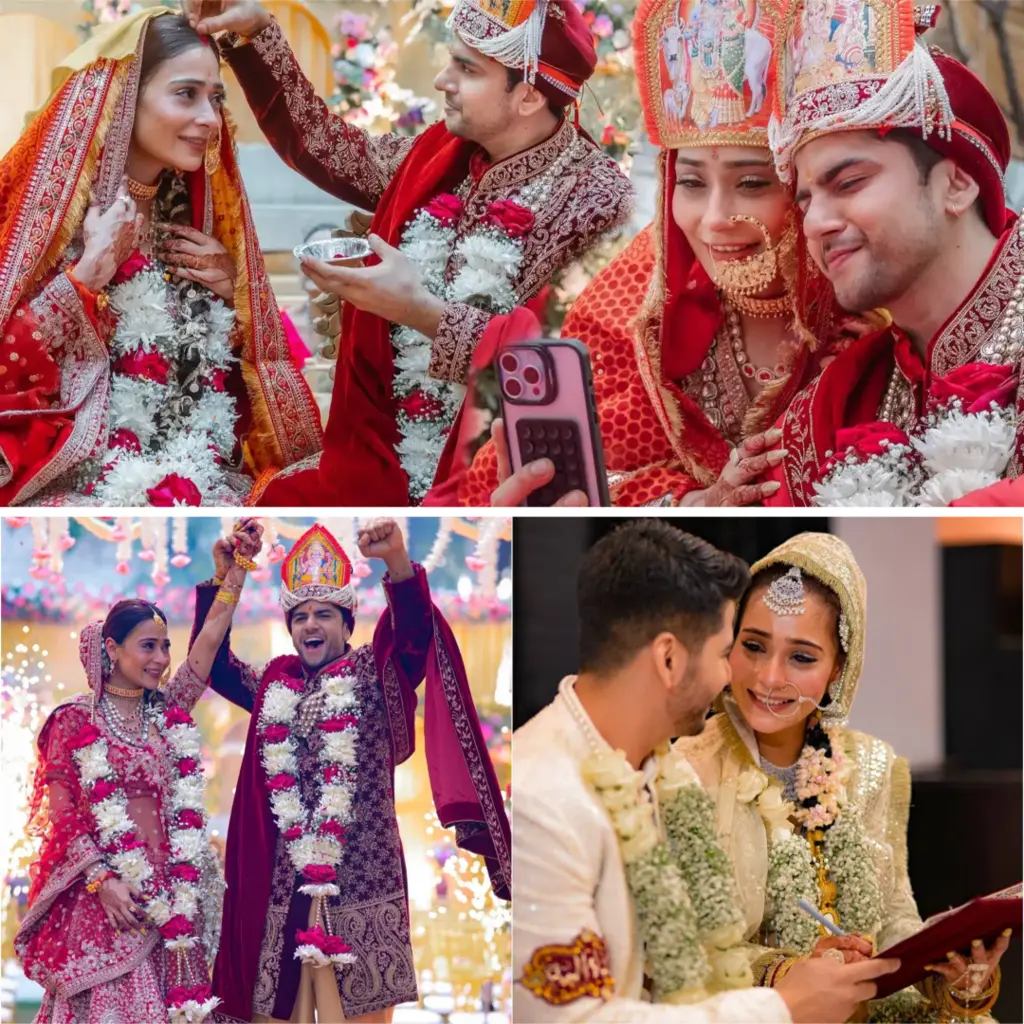
In a video that spread like wildfire across social media platforms, KRK openly claimed that Divya was involved in an extra-marital affair with popular television actor Pearl V Puri. The allegations were blunt, sensational, and laced with mockery. According to him, this was not just a secret romance, but a relationship allegedly moving toward marriage, even before any official divorce.
The internet did what it does best. It reacted.
Within hours, Divya’s name trended alongside words like affair, divorce, and scandal. Old interviews resurfaced. Past photos were dissected. Innocent interactions were reframed as evidence. In the court of social media, speculation quickly masqueraded as truth.
What made the claims even more explosive was the timing.
For months, rumors of trouble between Divya and Bhushan Kumar had circulated quietly. Some linked it to her decision to drop her surname temporarily. Others pointed to her reduced public appearances with her husband. Each rumor had been denied firmly. Both Divya and Bhushan had previously dismissed divorce talks as baseless gossip, urging fans not to believe fabricated stories.
Yet, denial rarely kills curiosity. It only feeds it.
KRK’s video didn’t just revive the rumors. It amplified them. He spoke with confidence, naming names, showing photographs, and framing his narrative as insider information rather than speculation. His words crossed from commentary into character assassination, according to many critics. Still, millions watched, shared, and debated.
At the heart of it all stood Divya, silent.
No immediate response. No clarifying statement. No emotional outburst. Her social media remained calm, almost untouched by the chaos erupting around her name. That silence, intentional or not, became its own headline.
Supporters rushed to her defense, calling the allegations defamatory and misogynistic. They questioned why a married woman’s character was being dissected publicly without proof. Why rumors were being sold as facts. Why a woman’s dignity was once again the easiest target for attention.
Critics, on the other hand, demanded answers. They pointed to patterns, coincidences, and unanswered questions. In their eyes, silence equaled suspicion.
Caught between these extremes, the truth seemed increasingly irrelevant.
The controversy also reignited a larger conversation within the industry. About how easily powerful narratives are created. About how personal lives become public property the moment fame enters the equation. About how men making accusations face fewer consequences than women defending themselves.
Meanwhile, Pearl V Puri’s name was dragged into the storm as well. Fans questioned his involvement, his silence, his alleged proximity to Divya. Once again, no confirmation, no denial. Just noise.
As the hours turned into days, one thing became clear. This was no longer just gossip. It was a test of perception, reputation, and resilience. A reminder that in Bollywood, a rumor does not need proof to cause damage. It only needs attention.
And attention, this story had plenty of.
As the controversy refused to die down, KRK doubled down.
What began as a single viral video soon turned into a series of statements, each more provocative than the last. He did not retreat. He did not clarify. Instead, he leaned into the attention, framing himself as someone “exposing reality” rather than spreading rumors. With every new clip, the narrative grew louder, harsher, and more polarizing.
In his follow-up remarks, KRK openly mocked the idea of discretion. He spoke about power, money, and relationships in the film industry with unsettling ease, suggesting that affairs were not exceptions but strategies. His comments crossed into dangerous territory when he implied that marrying into wealth or associating with powerful families was a calculated move, not a matter of emotion. Many viewers were shocked not just by what he said, but by how casually he said it.
Divya Khosla Kumar’s name was no longer just trending. It was being dissected.
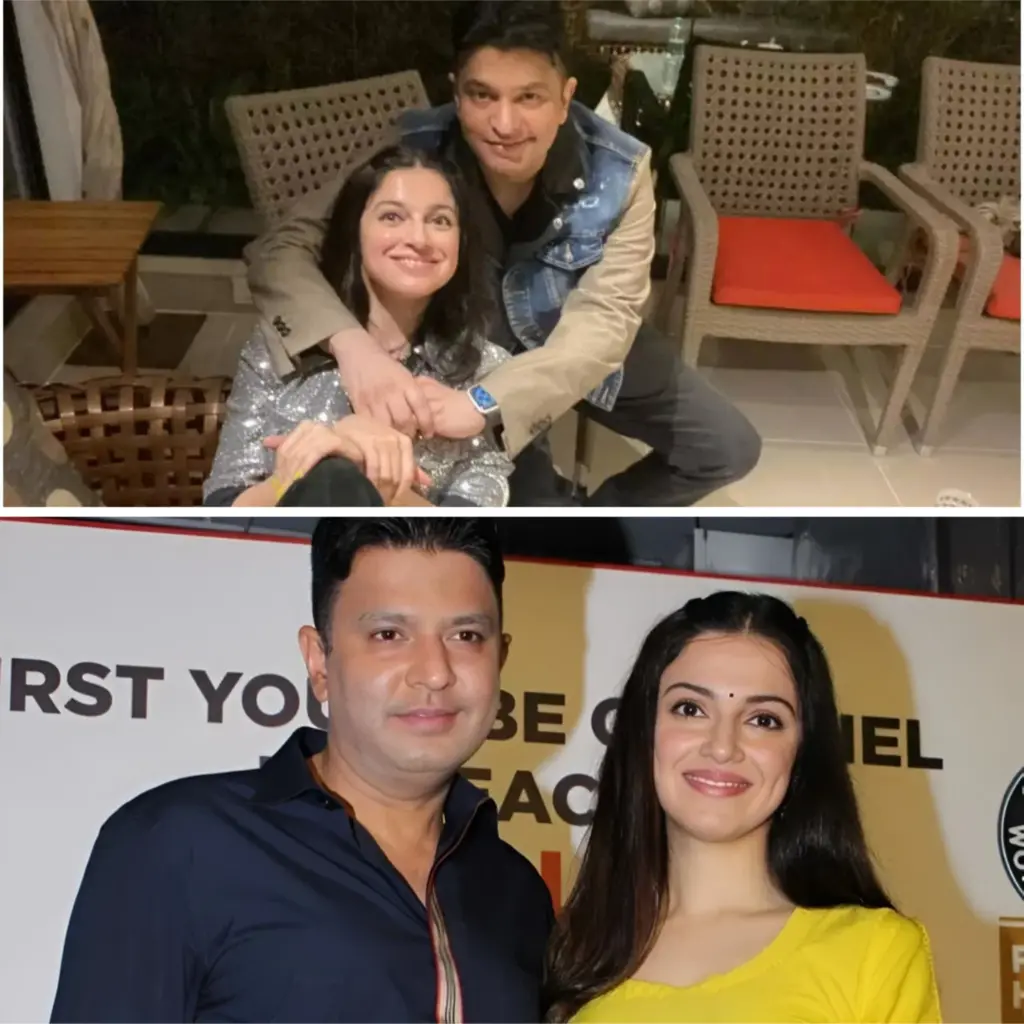
Old photographs of her with Pearl V Puri began circulating aggressively. Images taken at public events, professional gatherings, and casual meetups were reinterpreted with suspicious captions. Smiles were called signs. Proximity was labeled proof. What had once been harmless moments were now weaponized by speculation.
This is how narratives are built in the digital age. Not with evidence, but with repetition.
Despite the noise, Divya remained publicly silent. No interviews. No posts addressing the claims. To some, her silence appeared dignified, a refusal to dignify rumors with a response. To others, it felt calculated, even evasive. Every hour without a statement allowed assumptions to grow unchecked.
Industry insiders, however, began speaking anonymously.
Several voices from within Bollywood pushed back against KRK’s claims, calling them irresponsible and defamatory. They pointed out his long history of controversial remarks and personal attacks, often aimed at staying relevant through outrage. According to them, dragging a married woman’s personal life into public discourse without proof was not journalism, but provocation.
Yet, damage does not wait for verification.
Bhushan Kumar’s name was now pulled into conversations he never commented on. The T-Series head, known for maintaining a low personal profile despite immense influence, found his marriage discussed more openly than his business moves. Speculation about divorce settlements, separation timelines, and private arrangements flooded comment sections and gossip portals.
Once again, the couple’s earlier denials resurfaced.
People replayed Divya’s past interviews where she spoke about loyalty, family, and respect. Clips where she dismissed divorce rumors as fabricated were reshared, now framed with doubt rather than trust. The same words that once silenced gossip were now questioned for sincerity.
Pearl V Puri, too, faced growing pressure.
Fans demanded clarity. Media outlets attempted to reach him. Paparazzi tracked his movements, hoping for a reaction, a statement, anything. But like Divya, he chose silence. And silence, in this case, became a canvas onto which the public painted its own conclusions.
The controversy had now evolved beyond individuals.
It sparked debates about character assassination, misogyny, and the ethics of public commentary. Many questioned why allegations against a woman’s morality still generated more attention than her professional achievements. Why unverified claims were allowed to trend unchecked. Why the burden of explanation always fell on the accused, never the accuser.
Social media split cleanly down the middle.
One side believed KRK was saying what others were afraid to say. The other saw his words as reckless, harmful, and deeply personal attacks masked as opinion. Between these extremes, nuance was lost entirely.
Behind closed doors, the pressure mounted.
Brand associations became cautious. Public appearances were reconsidered. Advisors weighed responses versus restraint. In moments like these, every word can inflame or extinguish a fire. Choosing silence is not always weakness. Sometimes, it is strategy.
But strategy comes at a cost.
Because while the people involved calculated their next steps, the public continued to consume the story relentlessly. For them, this was entertainment. For Divya, it was her identity under trial without consent.
By now, one thing was undeniable.
Whether true or false, the allegations had already reshaped perception. And in the world of fame, perception often leaves a deeper scar than truth itself.
As the noise slowly reached its peak, something unexpected began to happen.
People grew tired.
Not of the story, but of the cruelty surrounding it. The endless speculation. The recycled clips. The same accusations repeated louder, not clearer. What once felt scandalous began to feel invasive. And in that shift, the narrative started to crack.
Legal voices entered the conversation with calm precision. Senior lawyers spoke about defamation, about the responsibility that comes with naming individuals publicly without proof. They explained how words, once released, cannot be retrieved. How reputations suffer long before verdicts are ever reached. The conversation moved away from entertainment and toward consequence.
Quietly, behind closed doors, action followed.
Reports surfaced that Divya Khosla Kumar’s legal team was reviewing the statements made against her. No dramatic announcement. No warning shot. Just measured preparation. The kind that does not seek attention, but resolution. For the first time since the controversy began, the power dynamic subtly shifted.
KRK’s confidence, once loud and performative, began to face resistance.
Platforms became cautious. Clips were removed or reframed. Headlines softened. Words like alleged and unverified appeared more frequently. What had once been pushed aggressively was now handled carefully. The system that thrives on controversy also knows when to step back.
Divya, meanwhile, reappeared.
Not with a statement, but with presence.
She attended a public event days later, composed and dignified. No visible anger. No trace of chaos. Cameras flashed, searching for cracks, for discomfort, for a moment of weakness. They found none. Her silence, once questioned, now looked deliberate. Controlled. Powerful.
That appearance spoke more clearly than any denial could have.
Support followed naturally. Industry colleagues, who had remained quiet, began offering subtle gestures of solidarity. A comment here. A shared frame there. Nothing loud. Nothing performative. Just acknowledgment. In Bollywood, that is often the strongest form of support.
The public mood softened too.
Questions replaced accusations. Empathy replaced excitement. Many began to reflect on how easily they had consumed the controversy, how quickly they had judged without certainty. The story that once felt thrilling now felt uncomfortable.
Pearl V Puri’s name slowly drifted out of the headlines. With no confirmation, no evidence, and no response, the narrative struggled to sustain itself. What remains unspoken eventually loses momentum.
As for Bhushan Kumar, his continued silence gained new interpretation. Not absence, but restraint. Not distance, but refusal to legitimize noise. In a world obsessed with reaction, choosing not to respond became its own statement.
Weeks passed.
New stories replaced old ones. They always do. The internet moved on, hungry for its next distraction. But for Divya, something fundamental had changed. Not publicly, but internally. Those close to her spoke of clarity. Of boundaries drawn firmly. Of understanding the cost of visibility more deeply than before.
The controversy did not define her.
It refined her.
She returned to work, focused and deliberate. Projects were announced. Professional conversations resumed. Slowly, steadily, her identity shifted back to where she had built it. On her career. On her choices. On her terms.
The allegations, once explosive, now felt hollow. Not proven. Not sustained. Just noise that burned bright and vanished.
Yet the episode left behind a lesson that lingered longer than the headlines.
In the world of fame, silence can be strength. Dignity can be resistance. And not every accusation deserves an answer. Some are best confronted by time, truth, and composure.
The storm passed.
What remained was a reminder. That while rumors may travel fast, resilience lasts longer. And that a woman does not owe the world an explanation every time her name is dragged into controversy.
Sometimes, standing still is the strongest move of all.